Sustainable Lighting Landscape: Eco-Friendly Practices for Illuminated Events

Zhang Lei
Zhang Lei
Senior Design Director
15+ years in lantern festival design, led 200+ international projects. Expert in cultural theme development and large-scale installation art.
Sustainable Lighting Landscape: Eco-Friendly Practices for Illuminated Events

Greening the Night

As environmental awareness grows, sustainable lighting landscape design has become essential. Modern illuminated events must minimize energy use, reduce waste, and protect ecosystems. This article covers eco-friendly practices for lighting landscapes and lantern festivals.

Energy Efficiency

LED Technology: All our installations use energy-efficient LEDs, consuming 60-80% less power than traditional incandescent or halogen lighting. A medium festival using LEDs draws 200-400 amps, compared to 800-1200 amps for equivalent traditional lighting.

Solar Power: For remote locations or sustainability-focused events, we offer solar-charged LED systems. Solar panels charge batteries during the day, powering lights at night with zero grid energy. Suitable for smaller pieces and pathway lighting.

Smart Controls: DMX-controlled systems dim or turn off lights in low-traffic areas, adjust brightness based on ambient light, and schedule lighting scenes to minimize energy use. Smart controls can reduce energy consumption by an additional 20-30%.

Material Sustainability

Reusable Frameworks: Our steel frameworks are designed for multi-season use. With proper storage, frameworks last 10+ years and can be re-skinned for different themes, reducing material waste.

Recyclable Materials: Steel frameworks are fully recyclable. We use PVC-free fabric options for clients prioritizing recyclability. Packaging uses FSC-certified wood crates that can be reused or recycled.

Non-Toxic Finishes: Paints and adhesives are water-based and low-VOC, meeting international environmental standards. No lead-based or toxic materials are used in any of our products.

Ecosystem Protection

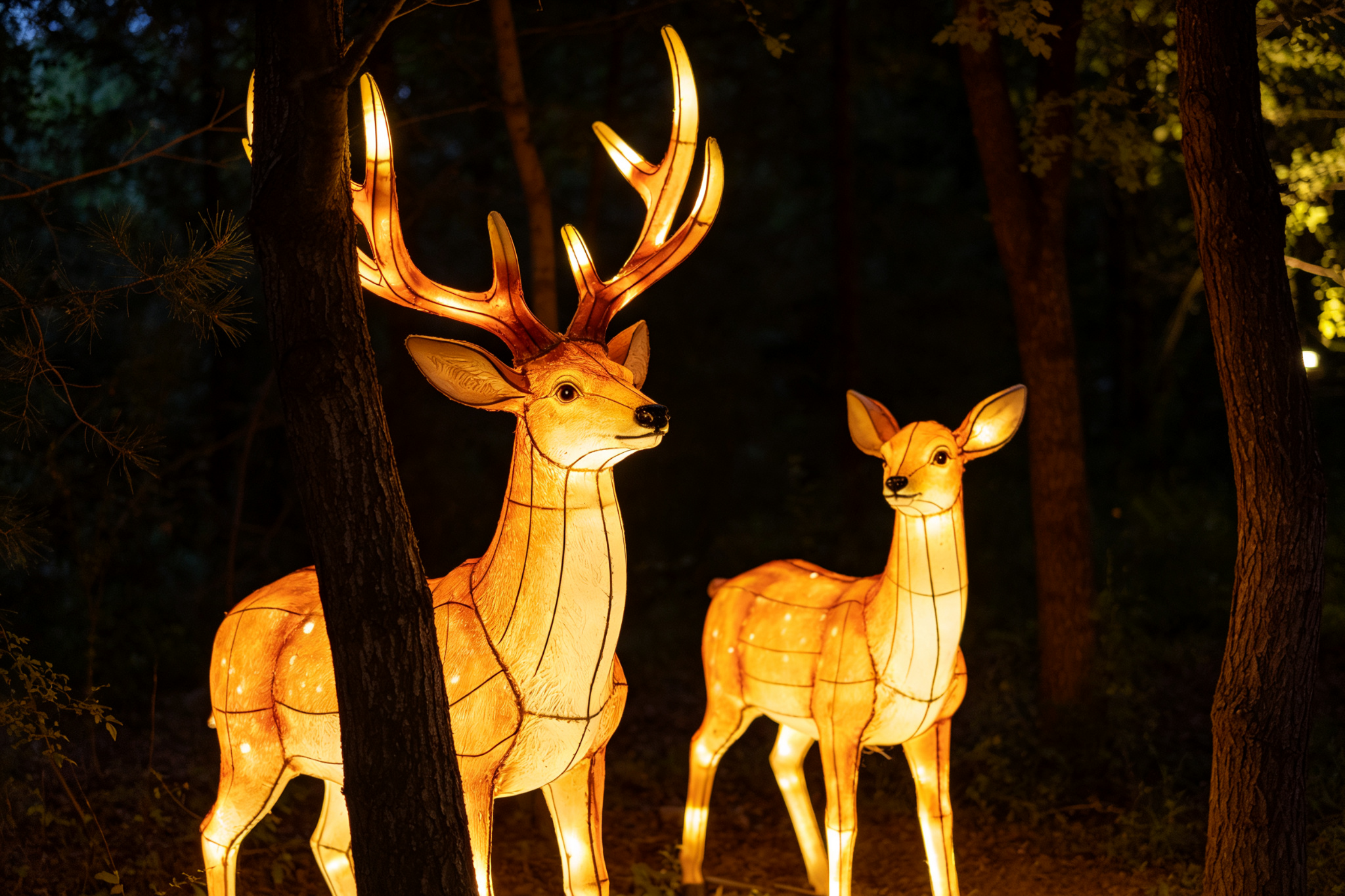
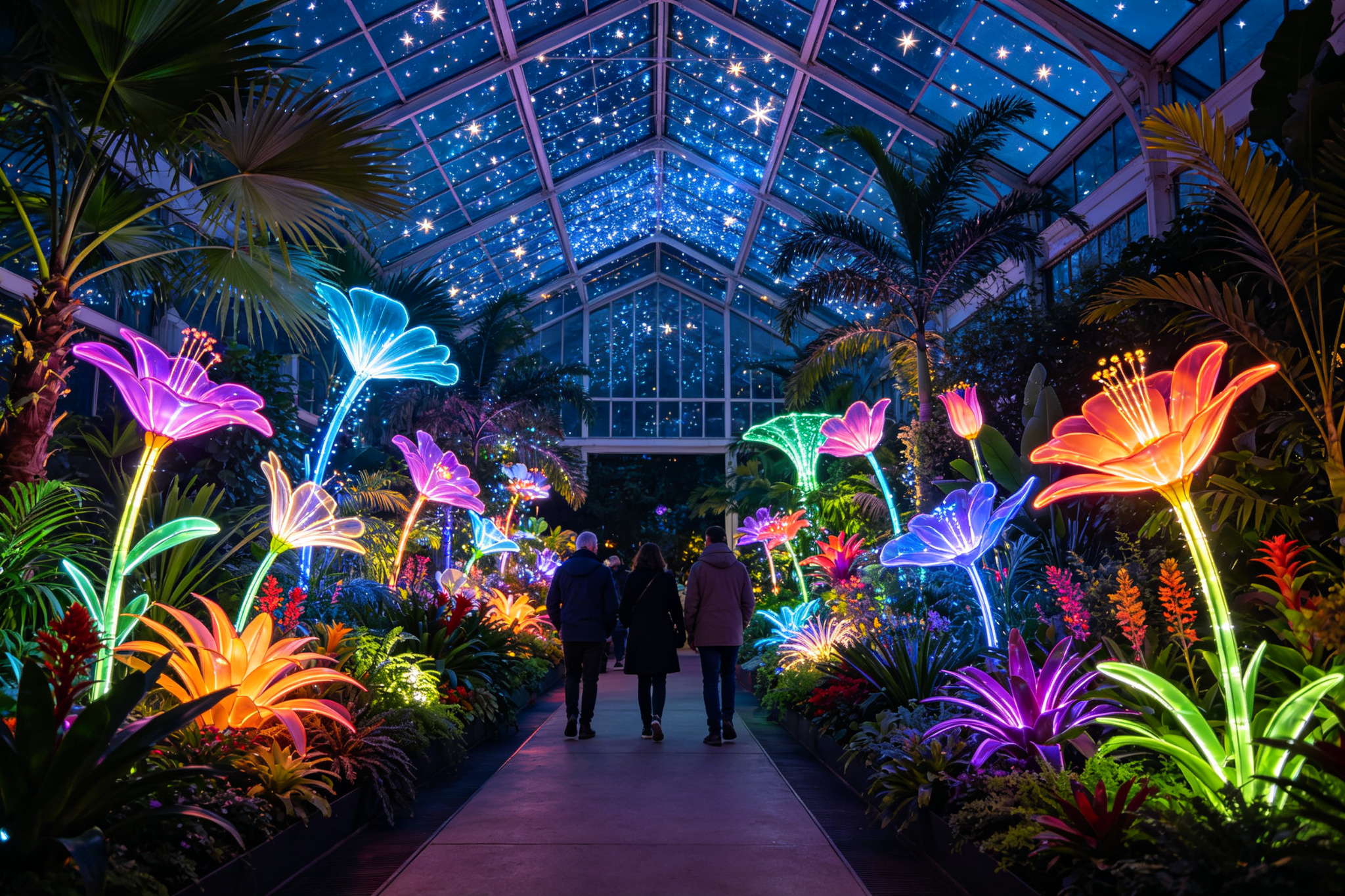
Wildlife-Safe Lighting: For botanical garden and nature venue installations, we use warm-color LEDs (under 3000K) that minimize disruption to nocturnal animals and insects. We avoid blue-rich lighting in sensitive habitats.

Tree-Safe Installation: We use straps and weights instead of nails or screws for tree-mounted lighting. No ground disturbance in root zones. Our installation methods are approved by arborists and horticulturists.

Water Protection: Underwater LEDs are fully sealed (IP68) with no chemical leaching. Floating pieces use food-safe materials. We avoid installations in spawning areas or sensitive aquatic habitats.

Waste Reduction

Modular Design: Pieces designed for reconfiguration reduce the need for new manufacturing each season. A modular framework can be re-skinned and re-themed for 3-5 different events.

Repair and Refurbish: We provide repair kits and refurbishment services, extending product life. Instead of replacing damaged pieces, we repair frameworks, replace fabric panels, and upgrade LEDs.

End-of-Life Recycling: When pieces reach end of life, we offer recycling programs: steel to scrap metal, fabric to textile recycling, electronics to e-waste processing. We can provide environmental impact reports for your event.

Carbon Footprint Reduction

Shipping Optimization: We design pieces for efficient container packing, reducing the number of containers (and associated emissions) by 30-40%. We use sea freight (lower carbon per kg) over air freight whenever timeline allows.

Local Sourcing: For recurring events, we explore local manufacturing partnerships for simple pieces, reducing shipping emissions. Core craftsmanship remains in Zigong for quality.

Carbon Offsetting: For clients seeking carbon-neutral events, we can calculate the project's carbon footprint (manufacturing + shipping + installation energy) and connect you with verified offset programs.

Our Sustainability Commitment

At Zigong Sun Culture, sustainability is integrated into every stage: design (energy-efficient, reusable), manufacturing (waste reduction, non-toxic materials), shipping (optimized packing), installation (ecosystem protection), and end-of-life (recycling). We provide sustainability reports for major projects and continuously improve our practices.

Contact us to discuss sustainable lighting landscape options for your event.
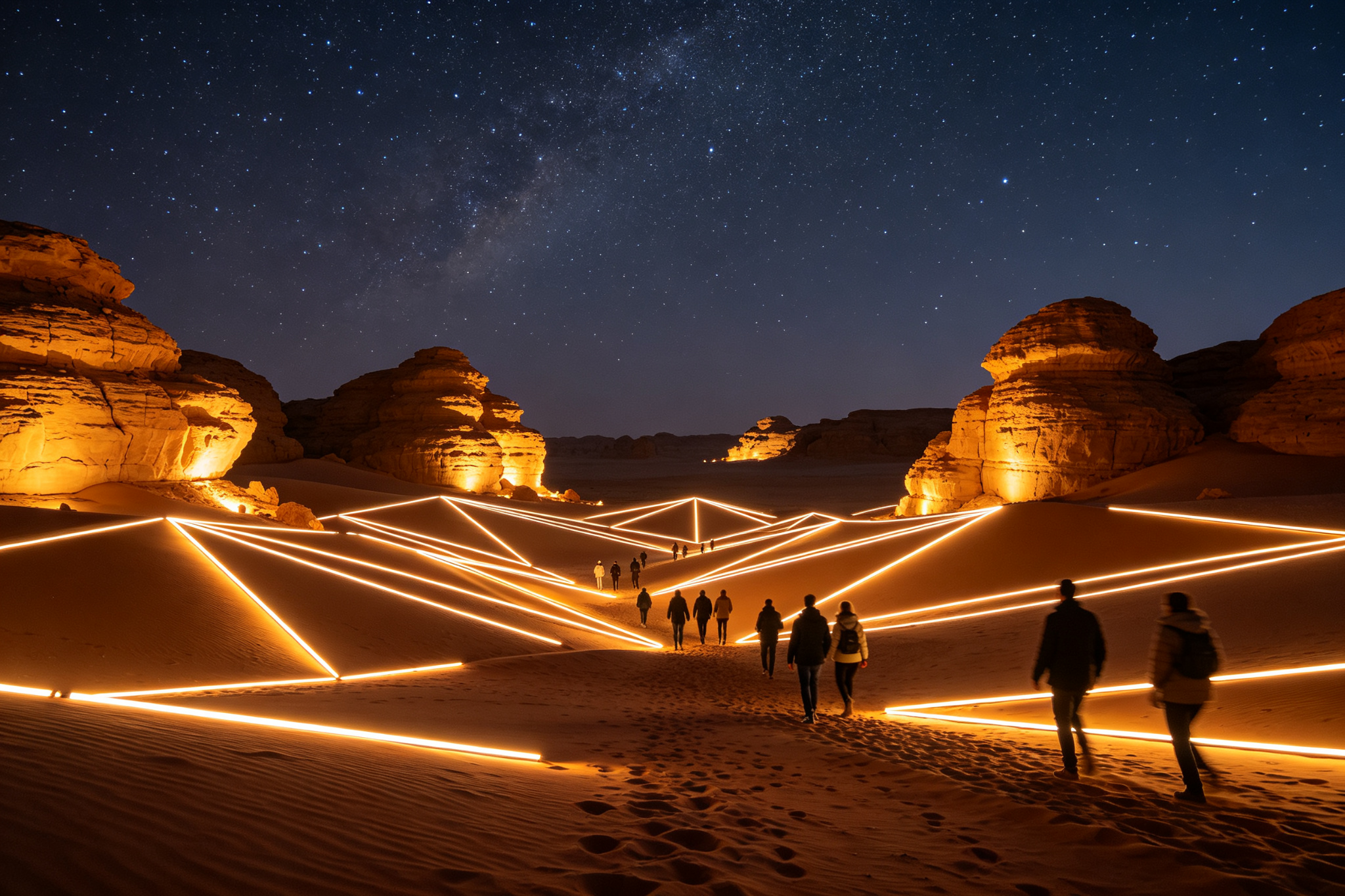
Explore our related services: Light Art Installations and World Festive Lanterns. Contact us for a free custom quote.

Have Questions About Lighting Landscape?

Our team of lantern festival experts is ready to help. Contact us for a free consultation tailored to your project.

Email Us Now Call +86 13309004354

Commissioning Light Art: A Guide for Curators and Public Art Managers

Commissioning light art installations requires a different approach than purchasing standard decorative lighting. As a curator or public art manager, your role is to define the artistic vision, site context, audience experience, and technical requirements, then select an artist or fabrication team that can realize that vision. The commissioning process typically begins with a creative brief that describes the site, intended audience, thematic direction, budget range, and timeline. This brief may be sent to selected artists for proposal development, or published as an open call. We recommend inviting 3-5 qualified proposals rather than open calls, as this yields more focused, higher-quality responses.

Site-specific considerations are paramount in light art commissions. Factors such as ambient light levels (urban sites with high light pollution require brighter, higher-contrast work), weather exposure (outdoor pieces need IP65+ rated components and weather-resistant materials), power availability (large installations may require 3-phase power and dedicated circuits), pedestrian flow patterns (the work should enhance rather than obstruct movement), and viewing distances (design for both close-up detail and distant impact) all influence the design. We conduct detailed site assessments before proposing any light art installation, providing technical recommendations that ensure the work performs as intended in its specific location.

Maintenance and longevity planning are often overlooked in light art commissions but are essential for preserving the work's impact. LED systems have a rated lifespan of 50,000+ hours, but drivers, controllers, and wiring may require replacement after 5-7 years. Outdoor installations should include accessible service panels, modular components that can be replaced without removing the entire piece, and a maintenance manual with spare parts list. We recommend budgeting 5-10% of the commission cost annually for maintenance, and planning for a major refurbishment at the 5-year mark. Permanent light art installations that are well-maintained can remain visually impactful for 10-15 years, making them excellent long-term investments for public spaces.

Expert Q&A

Q: What is the difference between light art and regular decorative lighting?

A: Light art is concept-driven, site-specific, and often interactive — it's designed to evoke emotion, tell a story, or create an experience. Decorative lighting is primarily functional or aesthetically ornamental. Our light art installations combine sculptural form, programmed lighting, and spatial design to create immersive environments that engage visitors on multiple levels.

Q: How long do light art installations typically last outdoors?

A: With proper maintenance, outdoor light art installations can operate for 5-10 years. LED systems have 50,000+ hour lifespans, and our weatherproof construction withstands rain, snow, and temperature extremes. We recommend an annual maintenance visit to inspect wiring, clean surfaces, and replace any degraded components. Permanent installations should budget 5-10% of cost annually for upkeep.

Q: Can light art installations be interactive?

A: Absolutely. We regularly incorporate motion sensors, touch interfaces, sound reactivity, and smartphone-controlled elements into our installations. Interactive pieces consistently generate the highest social media engagement and visitor satisfaction scores. Our design team can recommend interaction types that suit your audience, venue, and budget.