
Top 10 Lighting Landscape Trends for 2026 Events

Zhang Lei
Zhang Lei
Senior Design Director
15+ years in lantern festival design, led 200+ international projects. Expert in cultural theme development and large-scale installation art.
Top 10 Lighting Landscape Trends for 2026 Events

The Evolving World of Lighting Landscapes

The lighting landscape industry is evolving rapidly, driven by advances in LED technology, interactive systems, and audience expectations. Here are the top 10 trends shaping illuminated events in 2026.

1. Interactive Visitor Engagement

Motion sensors, touch panels, and mobile app integration allow visitors to control lighting elements. The most successful 2026 installations invite participation rather than passive observation.

2. Sustainability Focus

Solar-powered LED systems, biodegradable materials, and carbon-neutral shipping are becoming standard. Clients increasingly demand environmental impact reports alongside design proposals.

3. Immersive Audio-Visual Integration

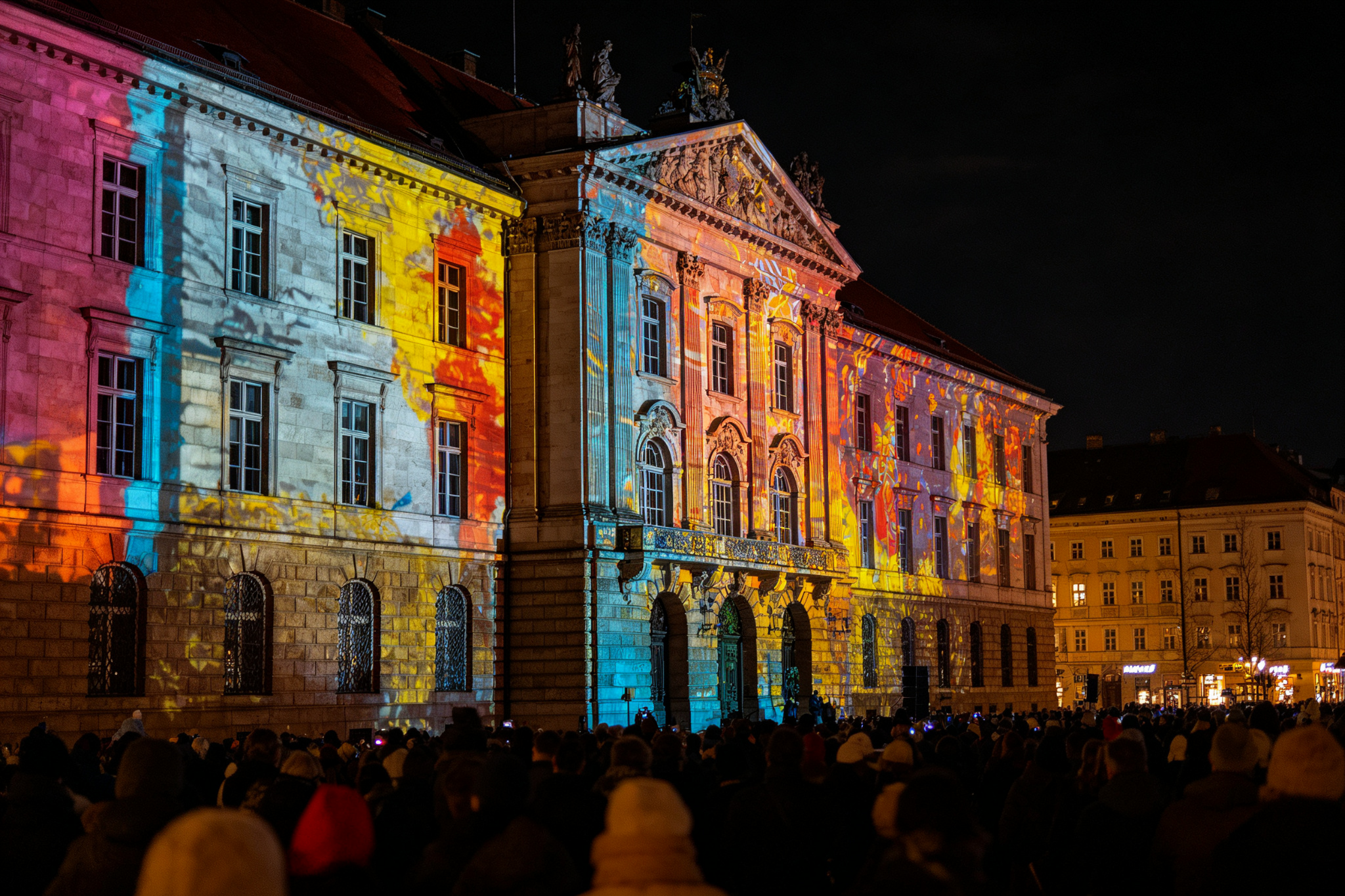
Synchronized soundscapes, spatial audio, and projection mapping transform lighting landscapes into multi-sensory experiences. The line between light show and immersive theater continues to blur.

4. Bioluminescent Aesthetics

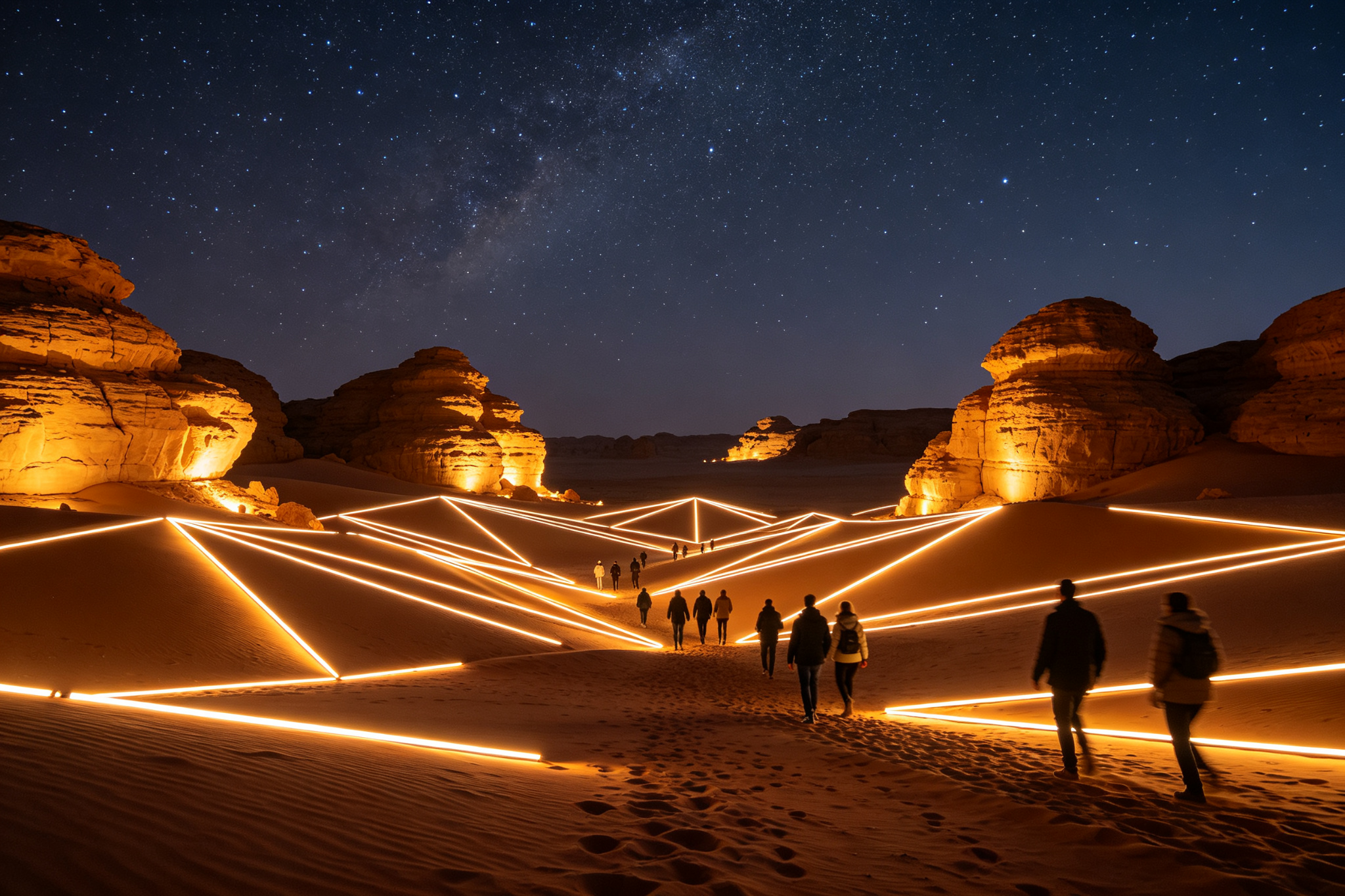
Low-intensity blue-green lighting that mimics natural bioluminescence is trending for forest and garden installations. This ethereal aesthetic creates intimate, magical environments.

5. Augmented Reality Layering

Some forward-thinking venues combine physical lighting with AR overlays viewed through smartphones, adding digital creatures and effects that interact with real light sculptures.

6. Modular, Reusable Systems

Modular LED components that can be reconfigured for different themes reduce waste and long-term costs. Expect more rental and subscription models for lighting landscapes.

7. Cultural Authenticity

Audiences crave authentic cultural narratives rather than generic "lights in trees." Collaborations with local artists and cultural consultants add depth and meaning.

8. Day-Night Transition Design

The best 2026 installations look as good in daylight as at night, using colorful materials and sculptural forms that work without illumination.

9. Data-Driven Design

Visitor tracking, heat mapping, and social media analytics inform placement and design, ensuring high-traffic photo opportunities and optimal flow.

10. Accessible Lighting Design

Inclusive design considers sensory sensitivities, wheelchair accessibility, and audio descriptions, making lighting landscapes welcoming to all visitors.

At Zigong Sun Culture, we incorporate these trends into every project. Explore our light art installation portfolio to see these trends in action.

Explore our related services: Light Art Installations and World Festive Lanterns. Contact us for a free custom quote.

Have Questions About Lighting Landscape?

Our team of lantern festival experts is ready to help. Contact us for a free consultation tailored to your project.

Email Us Now Call +86 13309004354

Commissioning Light Art: A Guide for Curators and Public Art Managers

Commissioning light art installations requires a different approach than purchasing standard decorative lighting. As a curator or public art manager, your role is to define the artistic vision, site context, audience experience, and technical requirements, then select an artist or fabrication team that can realize that vision. The commissioning process typically begins with a creative brief that describes the site, intended audience, thematic direction, budget range, and timeline. This brief may be sent to selected artists for proposal development, or published as an open call. We recommend inviting 3-5 qualified proposals rather than open calls, as this yields more focused, higher-quality responses.

Site-specific considerations are paramount in light art commissions. Factors such as ambient light levels (urban sites with high light pollution require brighter, higher-contrast work), weather exposure (outdoor pieces need IP65+ rated components and weather-resistant materials), power availability (large installations may require 3-phase power and dedicated circuits), pedestrian flow patterns (the work should enhance rather than obstruct movement), and viewing distances (design for both close-up detail and distant impact) all influence the design. We conduct detailed site assessments before proposing any light art installation, providing technical recommendations that ensure the work performs as intended in its specific location.

Maintenance and longevity planning are often overlooked in light art commissions but are essential for preserving the work's impact. LED systems have a rated lifespan of 50,000+ hours, but drivers, controllers, and wiring may require replacement after 5-7 years. Outdoor installations should include accessible service panels, modular components that can be replaced without removing the entire piece, and a maintenance manual with spare parts list. We recommend budgeting 5-10% of the commission cost annually for maintenance, and planning for a major refurbishment at the 5-year mark. Permanent light art installations that are well-maintained can remain visually impactful for 10-15 years, making them excellent long-term investments for public spaces.

Light Art Installations: Trends and Technology in 2026

The light art installation sector is experiencing rapid innovation driven by advances in LED technology, interactive sensors, and digital projection. In 2026, the most impactful installations combine physical sculptural forms with immersive digital layers, creating experiences that respond to visitor movement, ambient sound, and even biometric data. Museums, public spaces, and commercial developments increasingly commission light art as a way to differentiate their offerings and drive foot traffic — studies show that well-executed light installations can increase evening visitation by 40-60% and extend average visitor dwell time by 25-35 minutes.

Interactive technology has become a defining feature of contemporary light art installations. Motion sensors trigger lighting changes as visitors approach, touch-sensitive surfaces allow audiences to manipulate colors and patterns, and spatial audio systems create synchronized multisensory environments. Projection mapping onto architectural surfaces transforms buildings into dynamic canvases, while augmented reality overlays add digital elements visible only through smartphone cameras. These technologies are not gimmicks — when integrated thoughtfully with the sculptural form, they create memorable, shareable experiences that generate significant organic social media promotion.

Sustainability is another major trend shaping light art in 2026. Modern LED systems consume 70-80% less energy than traditional incandescent lighting, and solar-powered installations are increasingly viable for outdoor venues. Responsible manufacturers use recyclable steel frameworks, biodegradable fabric alternatives, and low-VOC paints. Our company has invested in solar-charged battery systems for remote locations and a material recycling program that repurposes steel frameworks from previous events. These sustainable practices not only reduce environmental impact but also resonate with environmentally conscious audiences and can help projects qualify for green event certifications and municipal sustainability grants.

Expert Q&A

Q: What is the difference between light art and regular decorative lighting?

A: Light art is concept-driven, site-specific, and often interactive — it's designed to evoke emotion, tell a story, or create an experience. Decorative lighting is primarily functional or aesthetically ornamental. Our light art installations combine sculptural form, programmed lighting, and spatial design to create immersive environments that engage visitors on multiple levels.

Q: How long do light art installations typically last outdoors?

A: With proper maintenance, outdoor light art installations can operate for 5-10 years. LED systems have 50,000+ hour lifespans, and our weatherproof construction withstands rain, snow, and temperature extremes. We recommend an annual maintenance visit to inspect wiring, clean surfaces, and replace any degraded components. Permanent installations should budget 5-10% of cost annually for upkeep.

Q: Can light art installations be interactive?

A: Absolutely. We regularly incorporate motion sensors, touch interfaces, sound reactivity, and smartphone-controlled elements into our installations. Interactive pieces consistently generate the highest social media engagement and visitor satisfaction scores. Our design team can recommend interaction types that suit your audience, venue, and budget.