
Explore 2000 years of Chinese Lantern Festival tradition. From ancient origins to Zigong master craftsmanship, discover the art, culture, and magic behind the world most beautiful light celebrations.
Discover the rich history, artistry, and cultural significance of the Chinese Lantern Festival, and learn how Zigong became the world capital of lantern art.
The Chinese Lantern Festival (元宵节, Yuánxiāo Jié) marks the final day of Chinese New Year celebrations, falling on the 15th day of the first lunar month. Its origins date back over 2,000 years to the Han Dynasty (206 BCE – 220 CE).
Originally a Buddhist tradition where monks lit lanterns to honor Buddha, the festival evolved into a grand civilian celebration. During the Tang Dynasty (618-907 CE), lantern displays grew to enormous scale, with emperors commissioning elaborate lantern mountains and trees.
Today, the Chinese Lantern Festival is celebrated worldwide with displays that blend ancient techniques with modern LED technology, creating immersive experiences that honor tradition while embracing innovation.
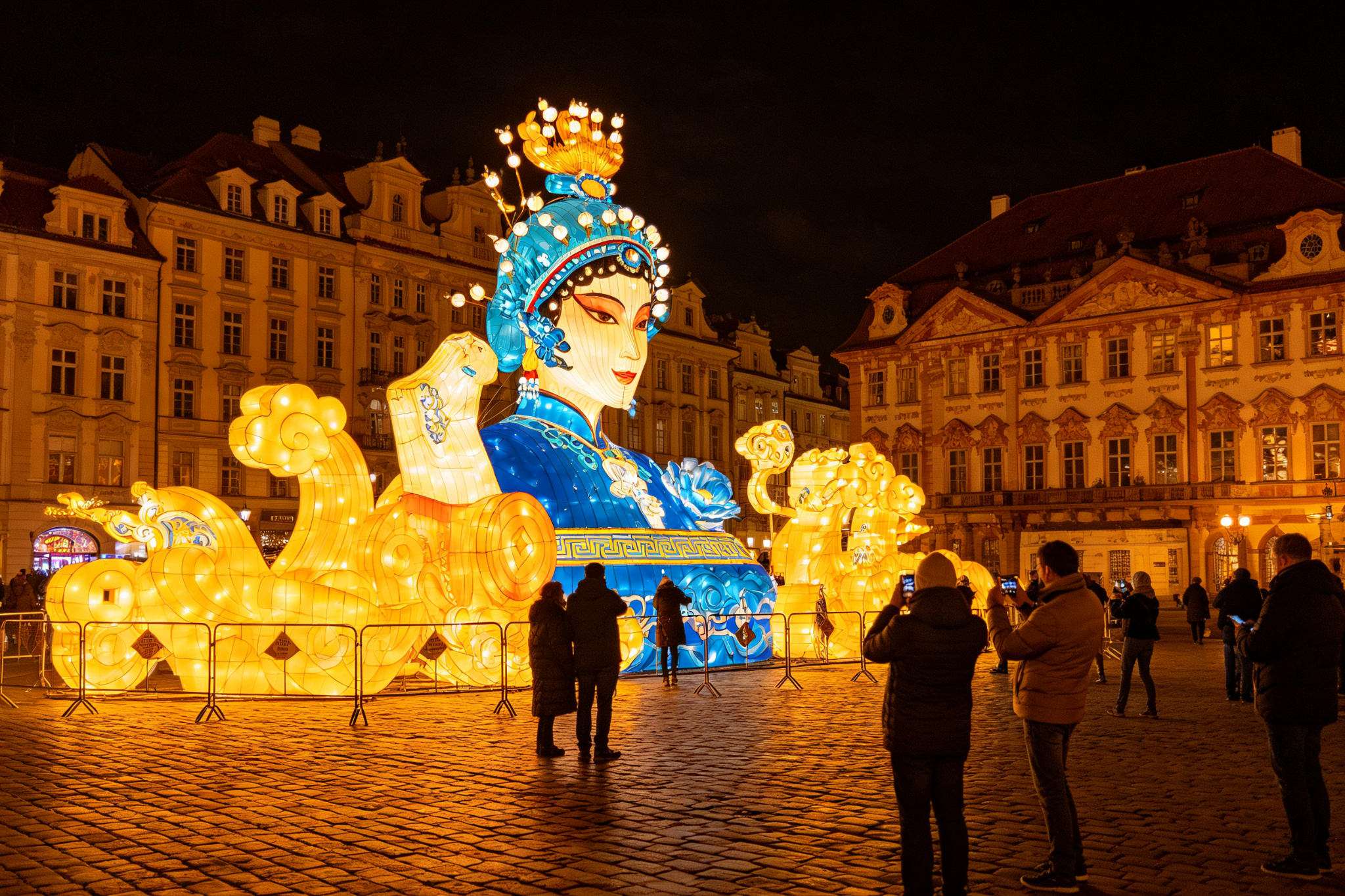
Zigong, in Sichuan Province, China, is globally recognized as the "Lantern Capital of the World." Its lantern-making tradition dates back 800 years to the Tang Dynasty, when local artisans began creating elaborate silk lanterns for imperial celebrations.
What sets Zigong lanterns apart is the unique combination of: hand-tied steel frameworks (no molds), hand-glued silk skins (stretched and painted by master artisans), and traditional painting techniques passed down through generations.
Today, Zigong produces 80% of the world's lantern festival displays. The annual Zigong Lantern Festival attracts 2+ million visitors and has been named a National Intangible Cultural Heritage.
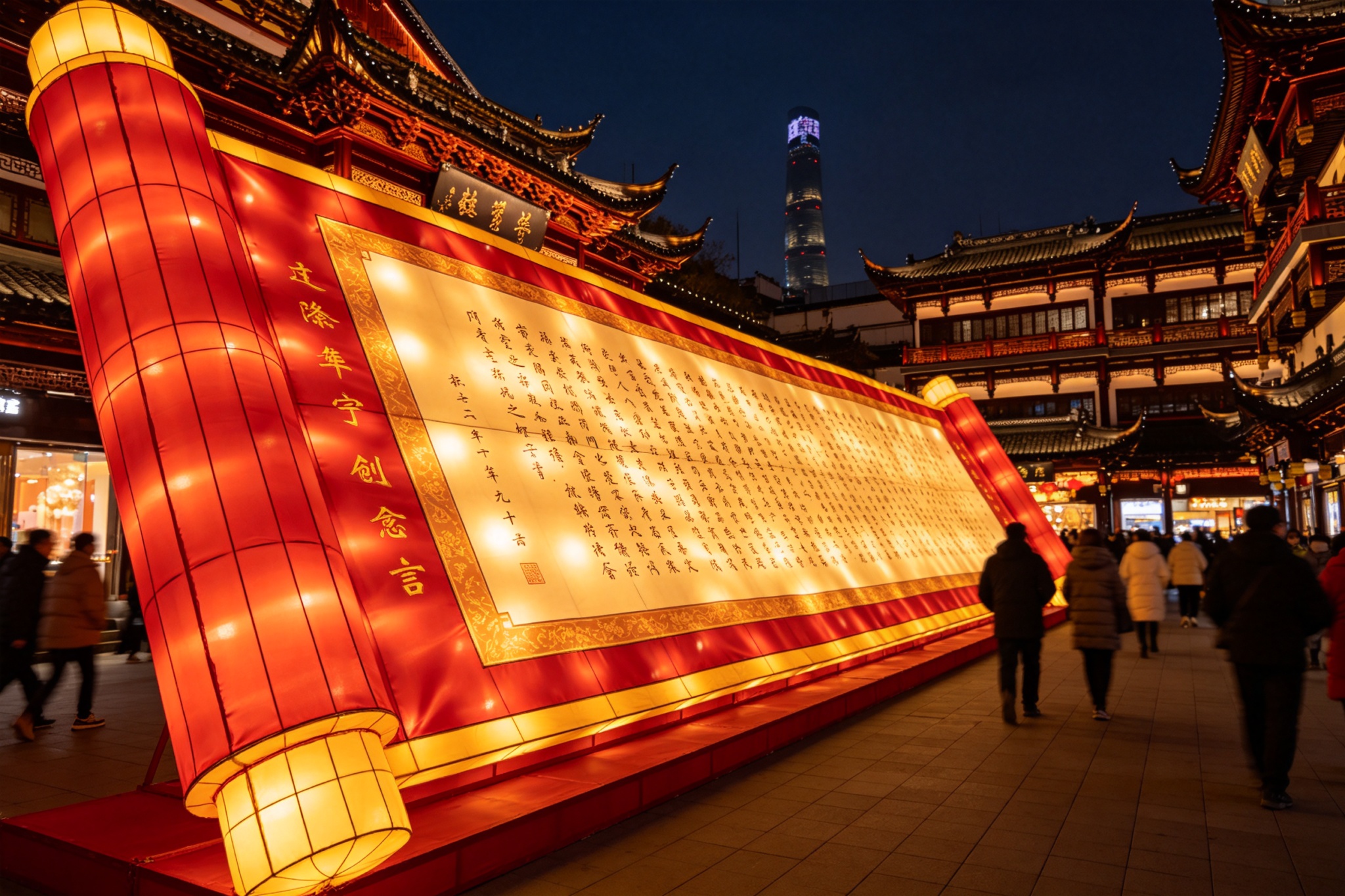
Artisans hand-bend and tie steel wire into precise shapes using traditional techniques. No molds — every frame is unique and crafted by hand.
Waterproof silk fabric is stretched over frames and glued by hand. Multiple layers create durability while maintaining translucency for beautiful light diffusion.
Master artists paint intricate details — dragon scales, floral patterns, facial features — using traditional Chinese brush techniques and acrylic paints.
Modern LED systems with programmable controllers create dynamic color changes, chasing effects, and synchronized light shows while maintaining energy efficiency.
Designs draw from Chinese mythology, history, literature, and folklore — dragons, phoenixes, pandas, classical architecture, and legendary stories.
Each lantern passes 6 inspection stages: frame strength, skin smoothness, paint quality, LED function, waterproof sealing, and 48-hour burn-in test.
What began as a Chinese cultural celebration has become a global phenomenon. Cities across North America, Europe, Asia, and Australia now host Chinese Lantern Festivals that draw hundreds of thousands of visitors annually.
Modern festivals blend traditional Chinese lanterns with local cultural themes, creating unique cross-cultural experiences. From Chinese New Year celebrations in London's Trafalgar Square to autumn lantern festivals in American botanical gardens, the tradition continues to evolve.
At Zigong Sun Culture, we are proud to carry this 2000-year tradition forward, creating authentic Chinese Lantern Festival experiences for audiences worldwide while preserving the master craftsmanship that makes Zigong lanterns legendary.
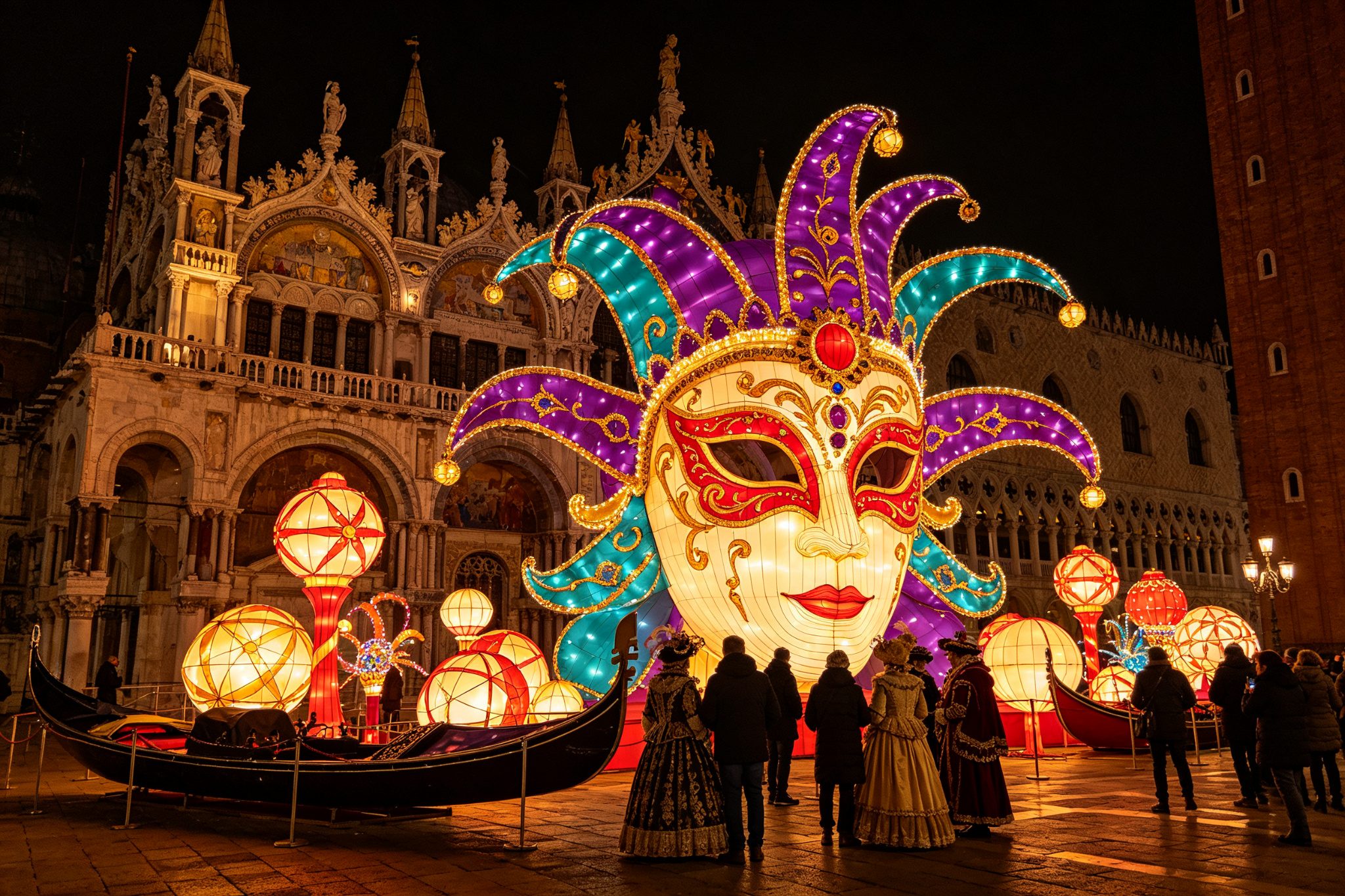
The Chinese lantern festival has a history spanning over 2,000 years, originating in the Han Dynasty (206 BCE-220 CE) when Emperor Ming ordered temples to light lanterns to honor Buddha. The tradition grew during the Tang Dynasty (618-907 CE) when lantern festivals became grand public celebrations with elaborate displays, parades, and performances. The Song Dynasty (960-1279 CE) saw the introduction of lantern riddles and the popularization of paper lanterns among common people. By the Ming and Qing Dynasties, lantern festivals had become major cultural events spanning multiple days, with specialized lantern-making craftsmen in cities like Zigong, Sichuan. Today, the Chinese lantern festival celebrated on the 15th day of the first lunar month marks the end of Chinese New Year celebrations, while lantern festivals are also held throughout the year for various occasions. The city of Zigong in Sichuan Province is recognized as the undisputed capital of Chinese lantern art, with a tradition of exceptional craftsmanship dating back centuries.
The craftsmanship behind Chinese lantern festivals involves techniques passed down through generations of master artisans. Traditional lantern making begins with frame construction using bamboo or, in modern times, galvanized steel, bent into precise shapes using hand tools and jigs. The skin is applied using silk, satin, or specialized waterproof PVC fabric, stretched tightly over the frame and secured with traditional knotting techniques. Hand painting is done with mineral-based pigments that produce vibrant, long-lasting colors, with artisans using brushes of varying sizes to create intricate details from fine line work to broad color washes. Traditional palace lanterns feature carved wooden frames with painted glass or silk panels, while modern festival lanterns incorporate programmable LED lighting with DMX512 control for dynamic color changes. Our master artisans in Zigong combine these traditional techniques with modern materials and technology, creating lanterns that are both authentically crafted and engineered for durability in outdoor environments worldwide.
Modern Chinese lantern festival celebrations have spread far beyond China, becoming global cultural phenomena that attract millions of visitors annually. In China, the Zigong Lantern Festival draws over 2 million visitors each year with displays spanning hundreds of acres. Major Chinese cities including Beijing, Shanghai, Nanjing, and Xian host elaborate lantern festivals during Chinese New Year. Internationally, Chinese lantern festivals are now held in over 50 countries, from the Magical Lantern Festival at Chiswick House in London to the China Lights festival at Milwaukee County Zoo in the United States. These modern festivals blend traditional Chinese lantern art with local cultural elements, creating unique cross-cultural experiences. Many festivals incorporate interactive elements, cultural performances, food markets, and educational activities alongside the illuminated displays. The global popularity of Chinese lantern festivals continues to grow, with new cities and venues joining each year, as audiences worldwide discover the magic and beauty of this ancient Chinese art form.
Chinese New Year (Spring Festival) is the most important traditional Chinese holiday, celebrated on the first day of the lunar calendar and lasting 15 days. The Chinese Lantern Festival falls on the 15th and final day of Chinese New Year celebrations, marking the return of spring and the first full moon of the lunar year. While Chinese New Year focuses on family reunions, feasting, and honoring ancestors, the Lantern Festival is a public celebration featuring illuminated lantern displays, parades, lion dances, riddle guessing, and eating tangyuan (sweet glutinous rice balls). In modern times, lantern festivals are also held independently of Chinese New Year for various occasions throughout the year.
Chinese lantern festivals are now celebrated in over 50 countries worldwide. In major cities with large Chinese communities (London, New York, San Francisco, Sydney, Toronto), official lantern festivals feature parades, cultural performances, food markets, and illuminated lantern displays. Many Western zoos, botanical gardens, and parks host annual lantern festivals as winter attractions, blending Chinese lantern art with local themes. These international festivals often adapt traditional designs to local cultural contexts, incorporating elements like Christmas themes for winter festivals or local wildlife alongside traditional Chinese dragons and phoenixes. The global popularity of Chinese lantern festivals continues to grow as audiences worldwide discover this beautiful art form.
Zigong, a city in Sichuan Province, is recognized as the undisputed capital of Chinese lantern art due to its 800+ year history of exceptional lantern craftsmanship. The Zigong Lantern Festival, held annually since the Tang Dynasty, is the largest and most famous lantern festival in China, drawing over 2 million visitors each year. Zigong artisans have developed unique techniques for frame bending, skin application, and hand painting that are passed down through generations. The city is home to over 500 lantern manufacturing companies and employs 50,000+ people in the lantern industry. Zigong lanterns are exported to over 100 countries, and the city has been designated a National Intangible Cultural Heritage site for its lantern-making traditions.
Contact our team for a free consultation and custom quote.
Contact Us Today