
Light Art as Public Art
Cities worldwide are discovering that outdoor light art installations can transform underused public spaces into cultural destinations. From bridge illuminations to park-based light festivals, public light art drives economic development, enhances civic pride, and creates accessible art experiences for all residents.
Types of Public Light Art
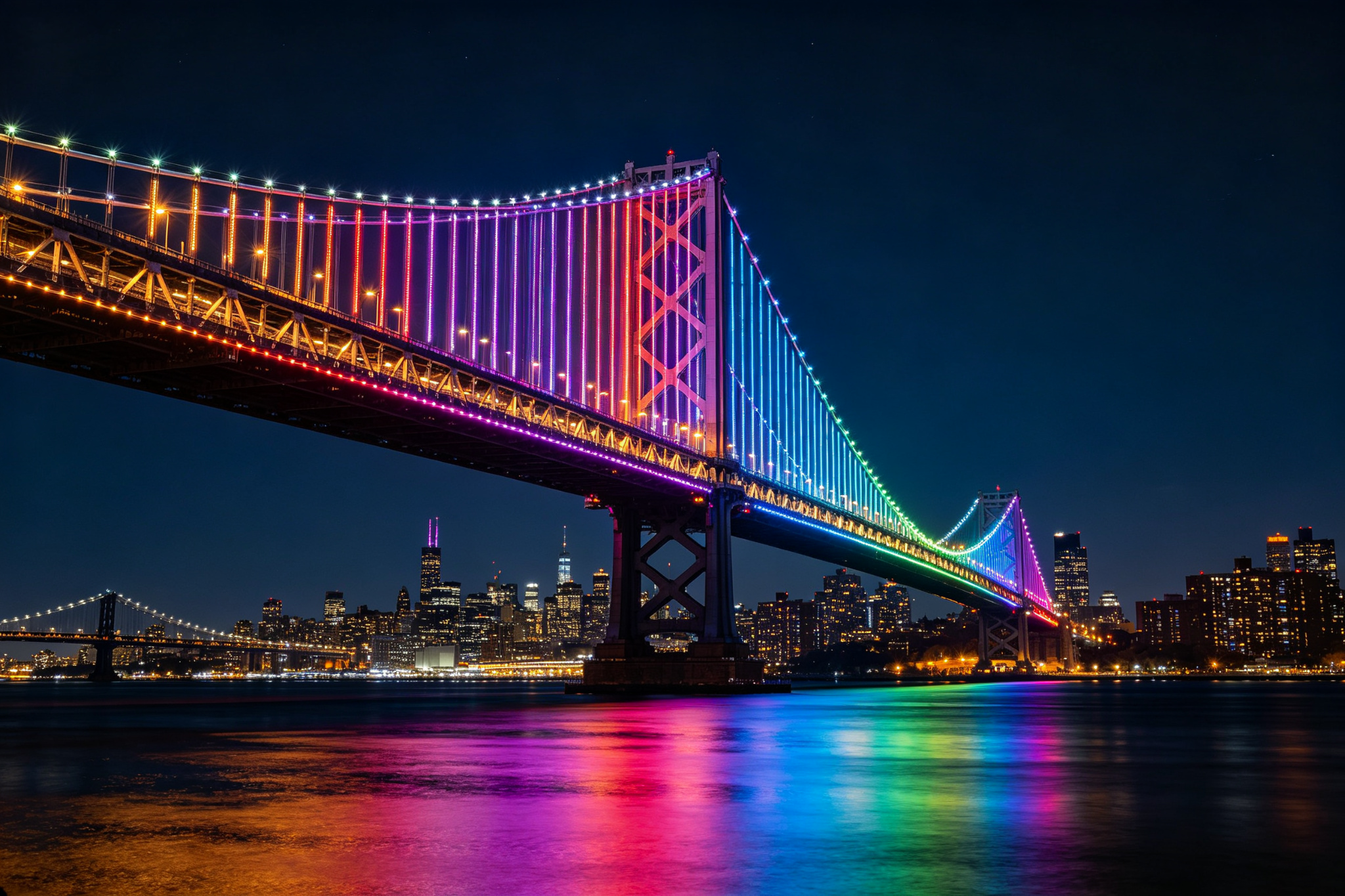
- Architectural Illumination: Permanent LED lighting on bridges, buildings, and monuments creates iconic city landmarks. The San Francisco Bay Bridge and Sydney Opera House are famous examples.
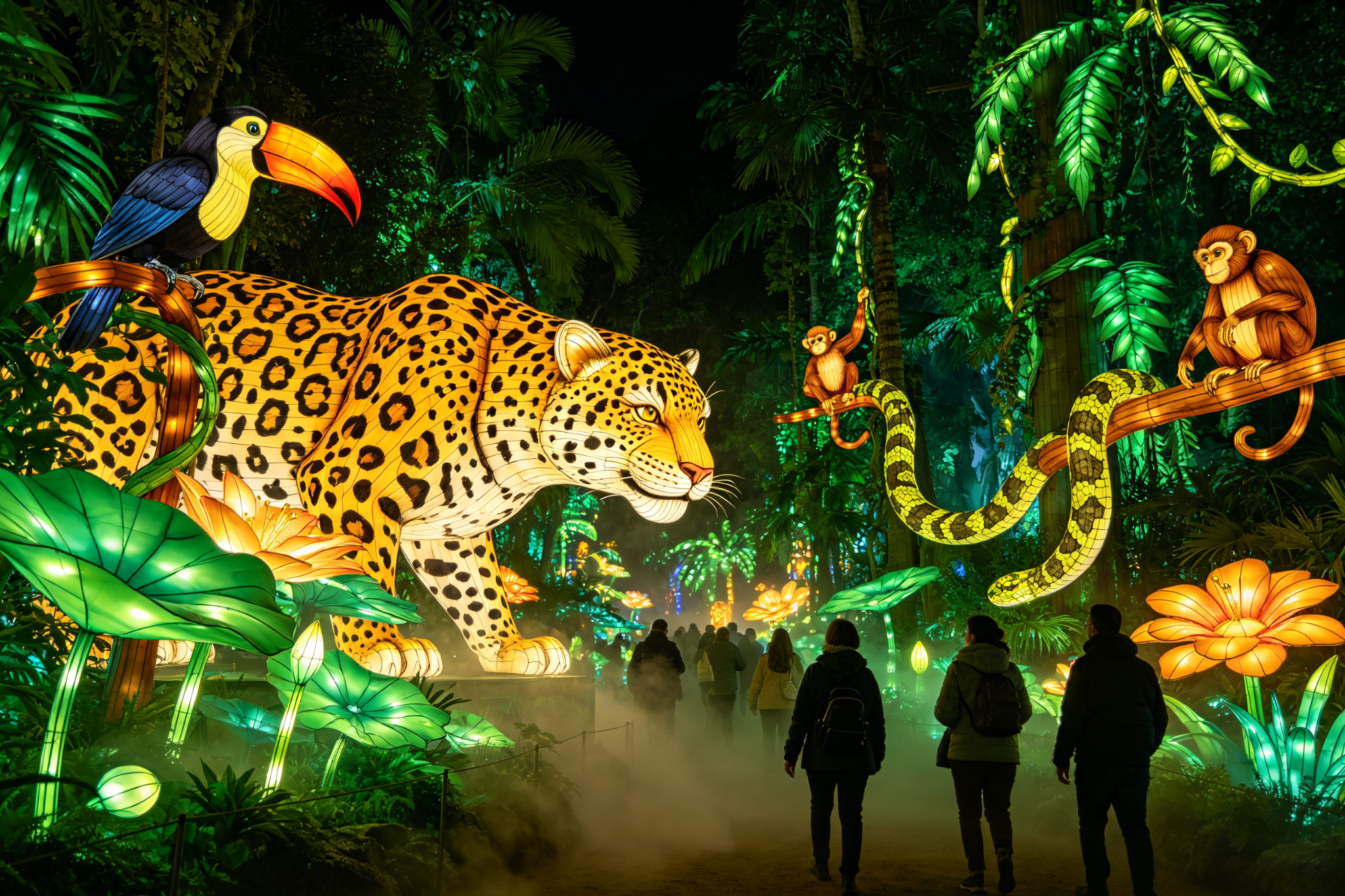
- Park Light Trails: Seasonal or permanent illuminated walking trails in city parks draw families and tourists during evening hours.
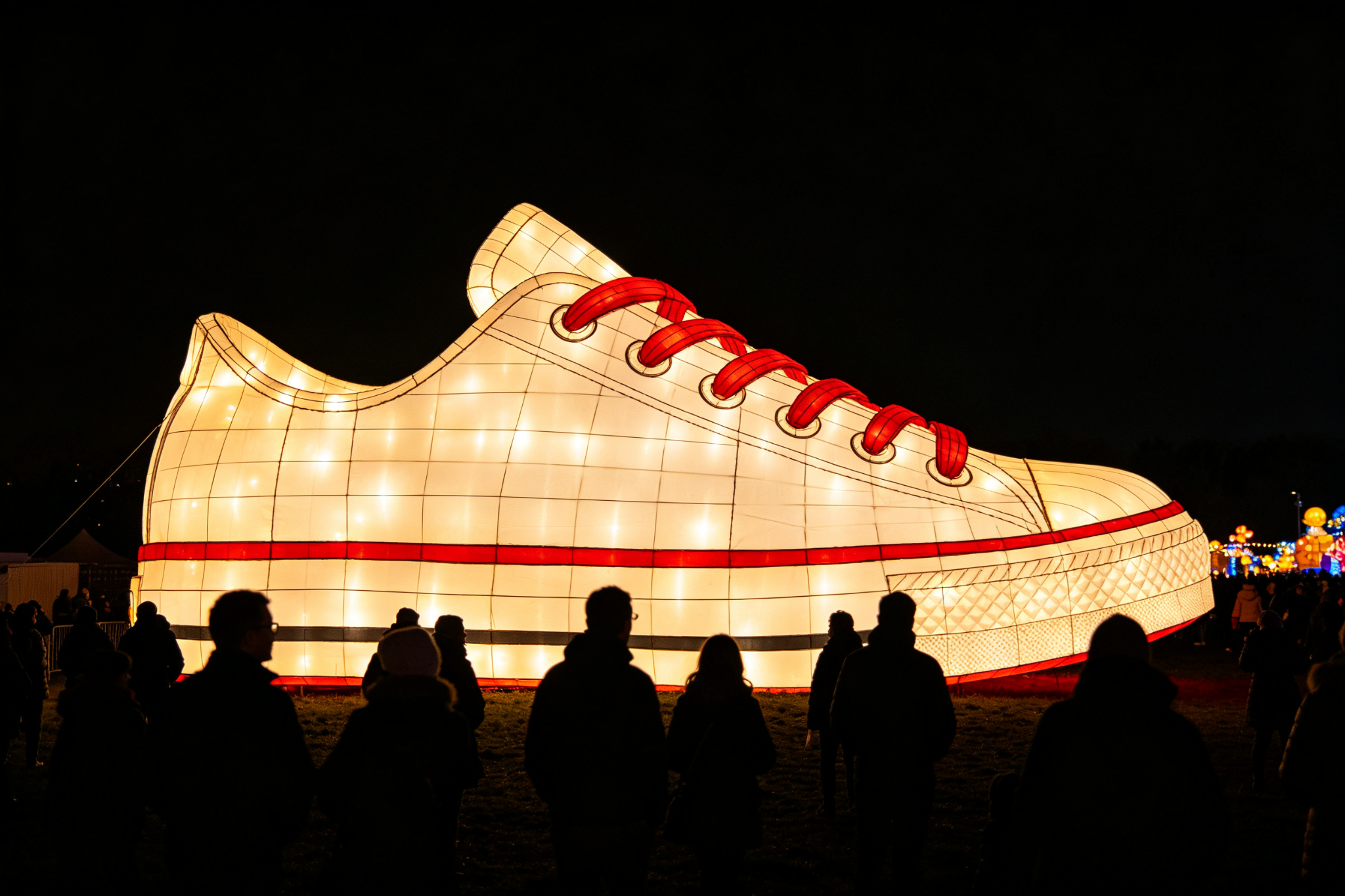
- Light Festivals: Temporary city-wide events featuring multiple light art installations attract hundreds of thousands of visitors. Vivid Sydney, Lyon's Fête des Lumières, and Amsterdam Light Festival are leading examples.
- Waterfront Light Art: Installations on lakes, rivers, and coastlines use reflections to double visual impact. Floating light orbs and underwater LEDs are particularly effective.
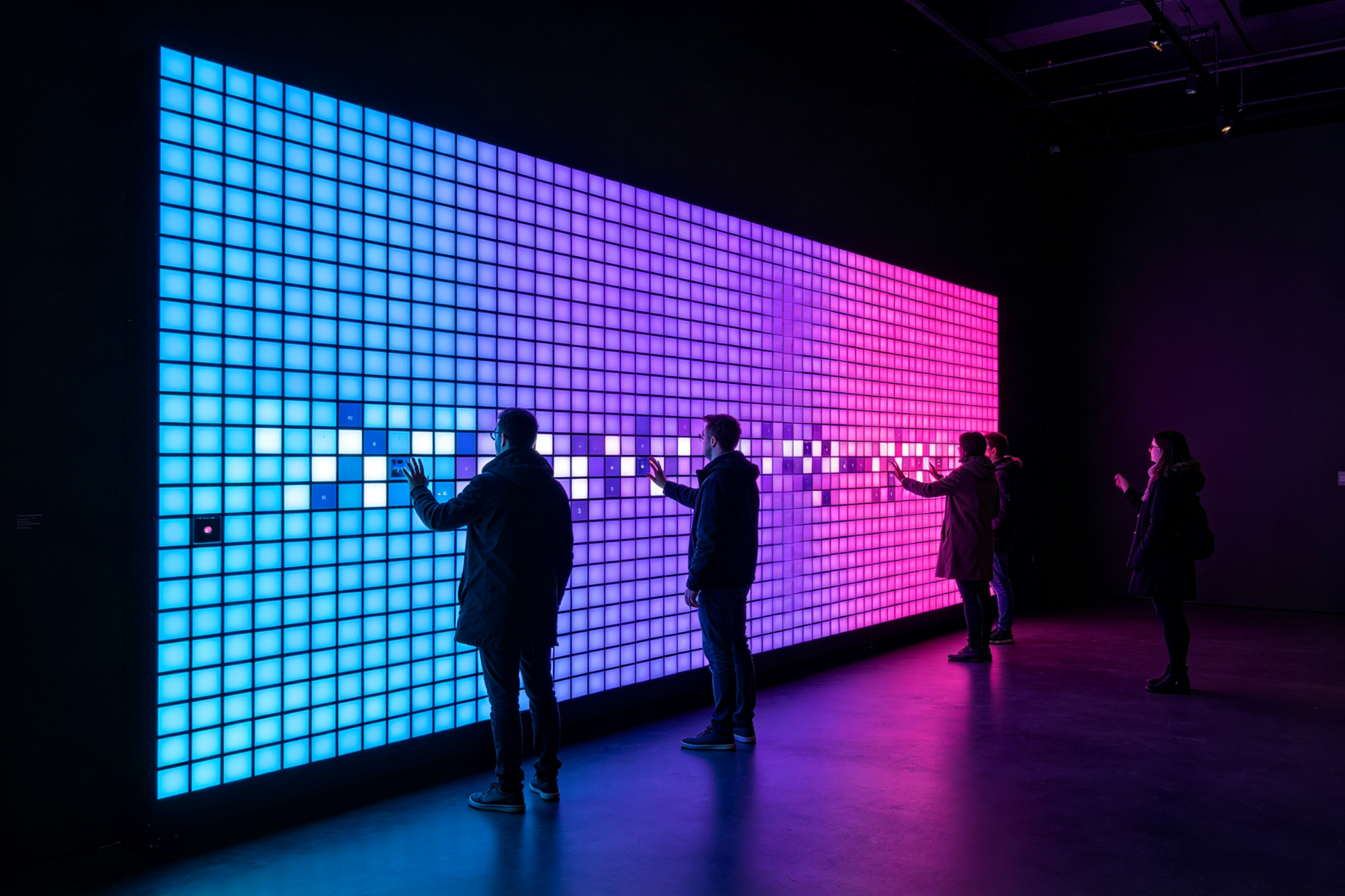
- Interactive Public Squares: Touch-responsive light floors and motion-activated installations in plazas create gathering spaces that activate after dark.
Benefits for Cities
Cities investing in public light art report significant returns. Evening economic activity increases as visitors dine, shop, and explore. Public safety improves as well-lit spaces attract more people (the "eyes on the street" effect). And light art provides inclusive cultural access — unlike museum exhibitions, public light art is free and available to all.
Planning Public Light Art Projects
Successful public light art requires community engagement, permitting coordination, and long-term maintenance planning. Our process begins with stakeholder workshops to understand community goals. We then develop concepts that respond to the site's history, ecology, and user patterns. All our public installations meet international safety standards and use energy-efficient LED technology.
Permanent installations require durable materials and accessible maintenance points. Temporary festival installations prioritize quick setup and teardown, with reusable components for future events.
Case Study: City Park Transformation
A mid-sized US city commissioned a 3-month lighting landscape in a previously underused park. The installation included 45 custom light sculptures, an interactive light tunnel, and a floating light display on the park lake. Results: 200,000+ visitors, $2.3M in local economic impact, and a 40% increase in park usage that persisted after the installation closed. The city now hosts the event annually.
Contact Zigong Sun Culture to discuss how public light art can transform your city's spaces.