
The Lantern Festival: A Global Cultural Phenomenon

Zhang Lei
Zhang Lei
Senior Design Director
15+ years in lantern festival design, led 200+ international projects. Expert in cultural theme development and large-scale installation art.
The Lantern Festival: A Global Cultural Phenomenon

From Chinese Tradition to Global Stage

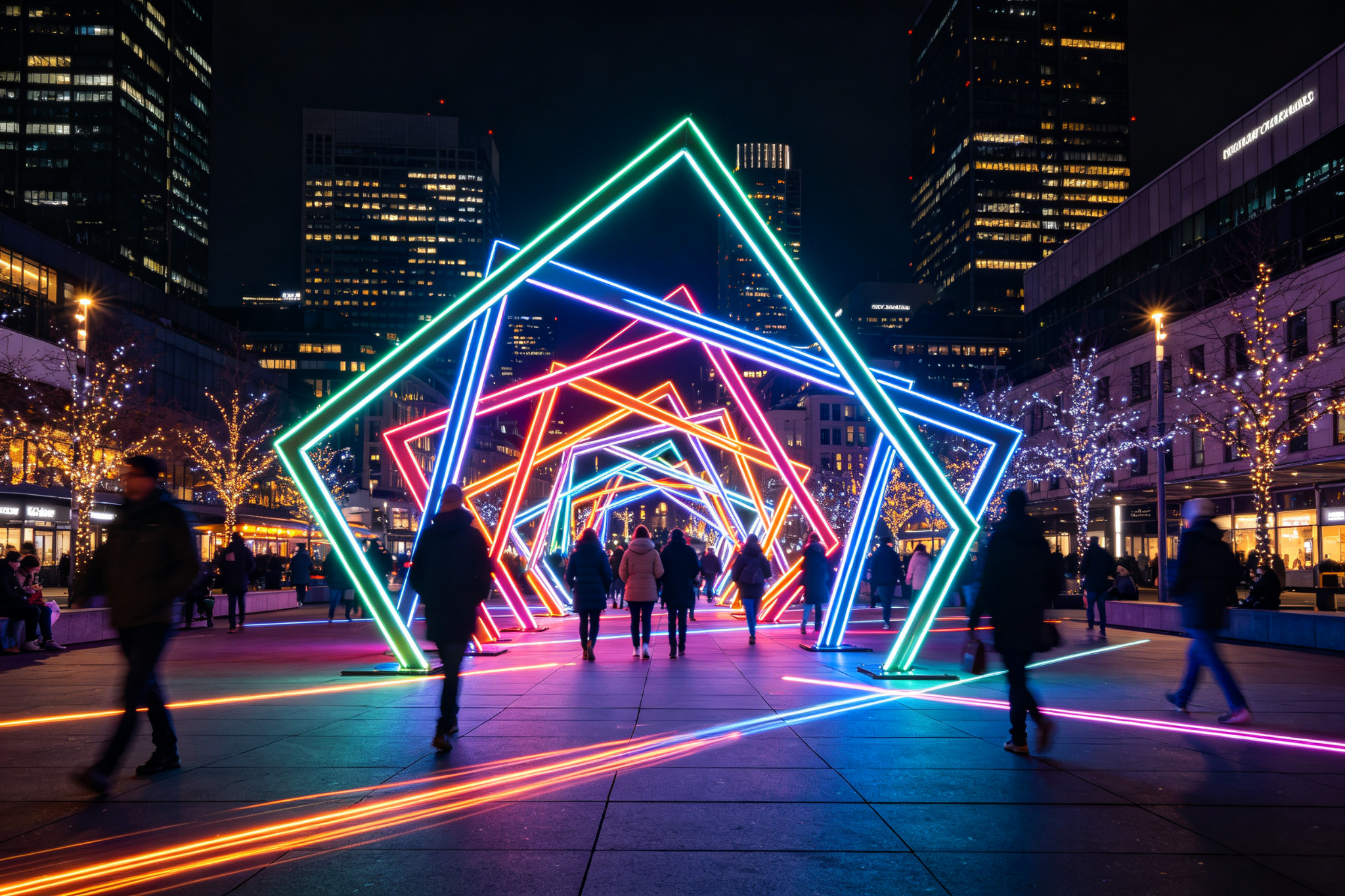
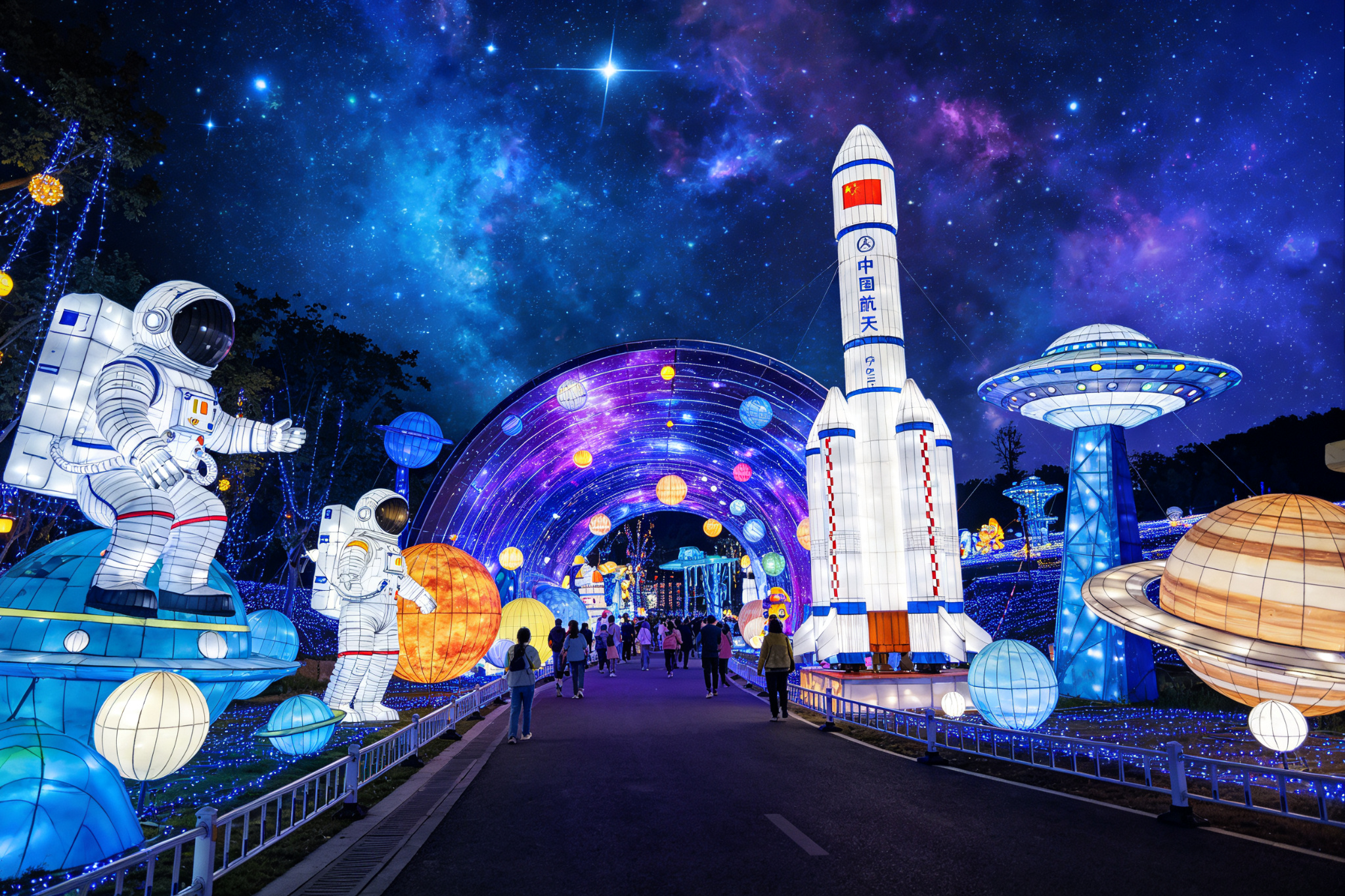
The lantern festival has evolved from a 2,000-year-old Chinese tradition into a global entertainment phenomenon. Today, lantern festivals draw millions of visitors across six continents, blending Chinese craftsmanship with local culture and modern technology.

The Original Lantern Festival

The Lantern Festival (Yuanxiao Jie) falls on the 15th day of the Chinese Lunar New Year. It marks the first full moon of the new year, traditionally celebrated with lantern displays, riddles, tangyuan (sweet rice balls), and family reunions. The tradition symbolizes letting go of the past and welcoming prosperity.

Lantern Festivals Around the World

North America: Cities like Toronto, Dallas, and Los Angeles host major lantern festivals from November through March. The Chinese Lantern Festival at Fair Park Dallas draws 200,000+ visitors annually.

Europe: London's Lightopia, Paris's Jardin des Plantes lantern festival, and Amsterdam's Light Festival feature Chinese lantern art alongside European light design.

Asia-Pacific: Beyond China, Singapore's Mid-Autumn Festival, Sydney's Chinese New Year lanterns, and Seoul's Lotus Lantern Festival carry forward the tradition with local twists.

Middle East & Africa: Dubai, Riyadh, and Johannesburg have all hosted successful lantern festivals in recent years, often as part of broader cultural tourism initiatives.

Why Lantern Festivals Work Globally

Lantern festivals transcend cultural boundaries because they offer: universal visual appeal (beautiful light delights all cultures), family-friendly content (no language barrier), Instagrammable moments (drives organic promotion), seasonal timing (fills entertainment gaps in winter months), and cultural exchange (introduces audiences to Chinese artistry).

The Economic Impact

Lantern festivals are economic engines. A medium festival generates $1.5M-$4M in direct revenue, with an additional 2-3x in indirect economic impact for local businesses (hotels, restaurants, retail). Cities that host annual lantern festivals report increased tourism, extended visitor stays, and positive media coverage.

The Future of Lantern Festivals

The global lantern festival market is projected to grow 12% annually through 2030. Trends include: more interactive and immersive elements, integration with AR/VR technology, stronger local cultural customization, sustainability initiatives (solar power, reusable materials), and year-round permanent lantern attractions.

At Zigong Sun Culture, we are proud to bring this beloved tradition to audiences worldwide. Explore our custom lantern festival services to bring this phenomenon to your city.
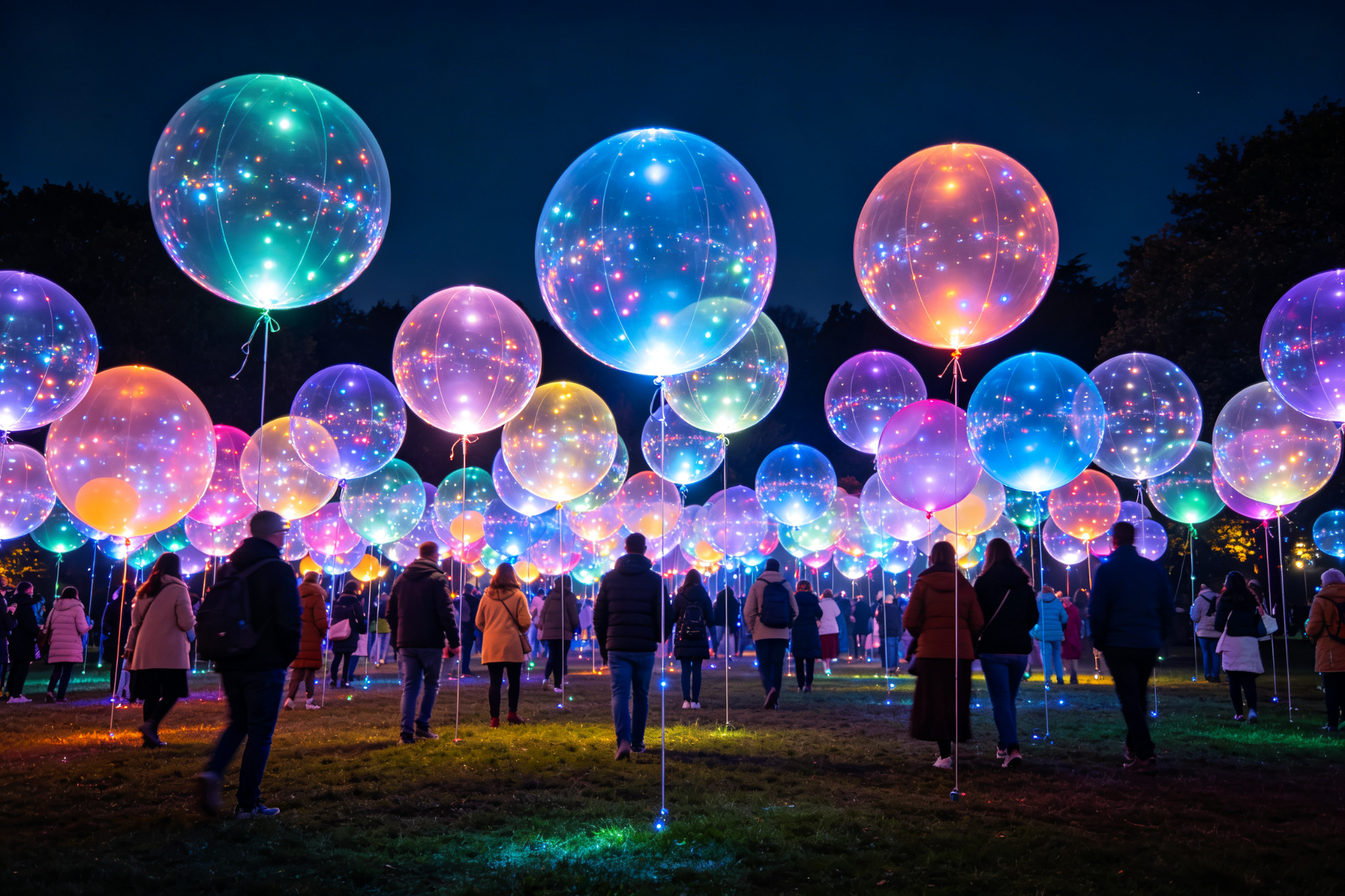
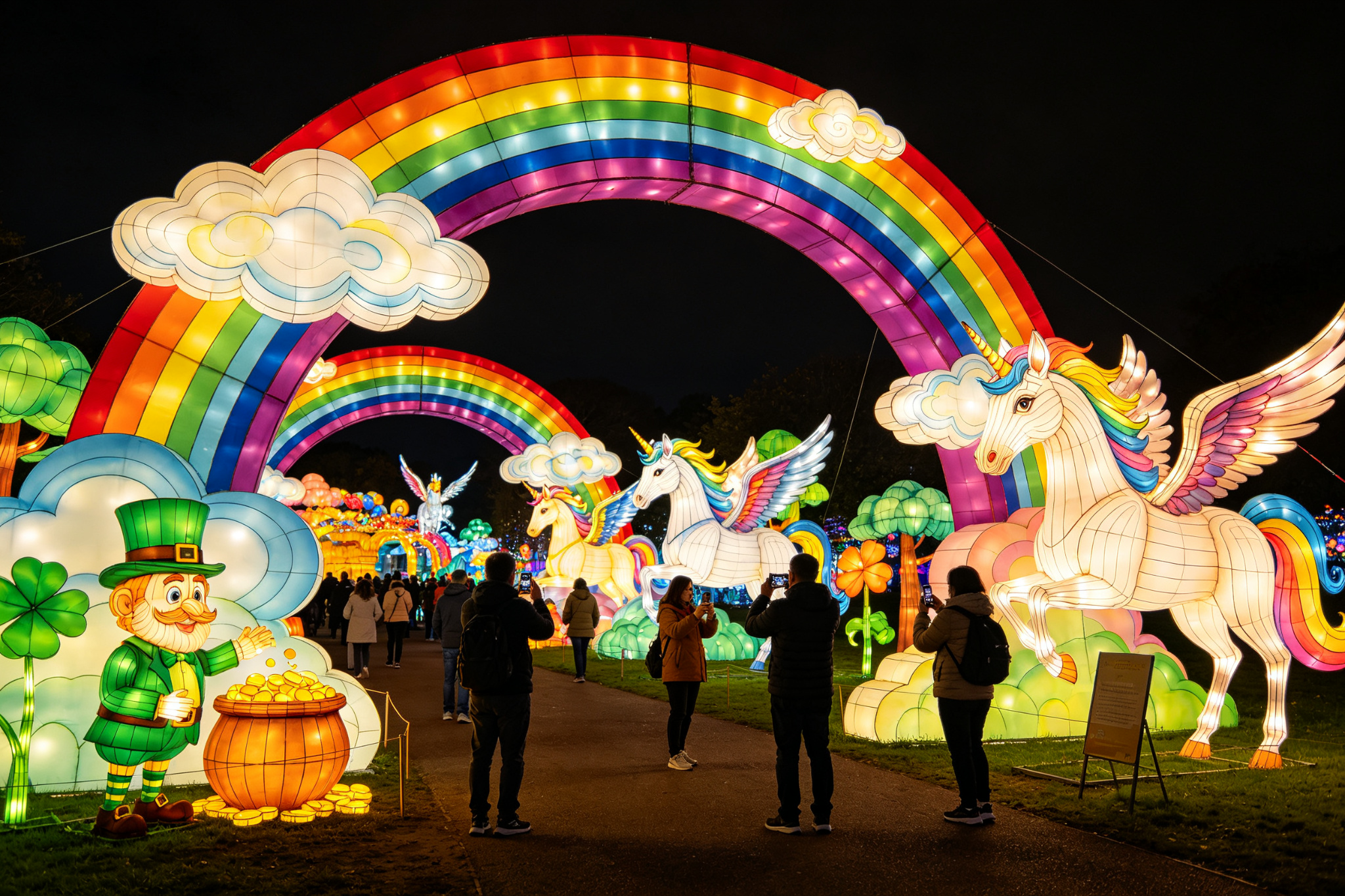
Explore our related services: Custom Lantern Festival and World Festive Lanterns. Contact us for a free custom quote.

Have Questions About Lantern Festival?

Our team of lantern festival experts is ready to help. Contact us for a free consultation tailored to your project.

Email Us Now Call +86 13309004354

Safety, Compliance, and Risk Management for Illuminated Events

Safety is the non-negotiable foundation of any successful illuminated event. A comprehensive safety plan should address: structural safety (wind load ratings, anchor systems, crowd barriers around large pieces), electrical safety (ground-fault protection, proper wire gauging, weatherproof connections, emergency shut-offs), fire safety (fire extinguishers at regular intervals, clear evacuation routes, flame-retardant materials), crowd management (capacity limits, one-way flow patterns in narrow areas, first aid stations), and weather contingency (wind monitoring, rain protocols, lightning evacuation procedures). We provide detailed safety plans as part of every project, tailored to the specific venue and local regulatory requirements.

Insurance and liability protection should be arranged well before the event opens. Standard coverage includes: general liability insurance ($1-2 million minimum), product liability coverage for the lanterns themselves, worker's compensation for installation staff, event cancellation insurance (covering losses from weather, power failure, or other disruptions), and property damage coverage for the venue. Some venues require additional insured status on your policy, and certain municipalities mandate specific coverage limits. We maintain $2 million in product liability insurance and can provide certificates of insurance to venues and permit authorities. Event organizers should consult with an insurance broker experienced in special events to ensure adequate coverage.

Risk management involves identifying potential issues before they occur and developing contingency plans. Common risks include: adverse weather (plan for rain dates and wind shutdowns), equipment failure (keep spare parts and have electricians on call), permit delays (submit applications early and maintain regular contact with authorities), low attendance (have marketing reserve funds and flexible pricing strategies), and staff shortages (cross-train volunteers and have backup personnel). A risk register that lists each potential risk, its likelihood and impact, and the mitigation strategy should be reviewed regularly in the weeks leading up to the event. Events with thorough risk management plans experience 60-70% fewer serious incidents than those without, according to event industry safety data.

Market Insights and Practical Considerations for Event Organizers

The nighttime economy has become a major driver of cultural tourism and municipal revenue worldwide. Cities that invest in illuminated attractions, lantern festivals, and light art installations report measurable increases in evening foot traffic, extended visitor stays, and higher per-capita spending. According to industry research, events that combine visual spectacle with cultural storytelling achieve the highest attendance and satisfaction ratings, with lantern festivals consistently ranking among the top-performing nighttime event formats across diverse markets from North America to Southeast Asia.

Budget planning is one of the most common challenges for first-time lantern festival organizers. A well-structured budget should allocate approximately 40-50% to lantern design and manufacturing, 15-20% to shipping and logistics, 15-20% to installation and labor, 10-15% to marketing and promotion, and 5-10% to contingency reserves. Revenue streams typically include ticket sales (60-70% of total), food and beverage concessions (15-20%), merchandise (5-10%), and sponsorships (5-15%). Most professionally produced lantern festivals achieve break-even within the first 7-10 days of a 30-day run, with profitable events generating 2-3x return on investment.

Timing is critical for festival success. The most popular periods for lantern events are the winter holiday season (November through January), spring break periods, and summer vacation months. Weather contingency planning should include 2-3 buffer days in the installation schedule, rain-check ticket policies, and at least 30% of displays in covered or semi-covered areas. We also recommend purchasing event cancellation insurance for projects with budgets exceeding $200,000, as adverse weather can reduce attendance by 30-50% on affected nights. With careful planning and a reliable manufacturing partner, lantern festivals represent one of the most engaging and profitable event formats available to organizers today.

Expert Q&A

Q: What is the typical ROI for a lantern festival or light art event?

A: Professionally produced lantern festivals typically achieve break-even within the first 7-10 days of a 30-day run, with profitable events generating 2-3x return on investment. Key factors include ticket pricing strategy, attendance volume, concession revenue, and sponsorship income. Events in their second or third year often see 30-50% higher attendance due to established brand awareness.

Q: How do I choose between buying and renting lanterns?

A: Buying is more cost-effective for annual or recurring events, as the initial investment is amortized over multiple years. Renting (or leasing) is better for one-time events or first-time organizers who want to test the concept before committing. We offer flexible purchase options and can advise on the best model based on your event frequency and long-term plans.

Q: What kind of insurance do I need for an illuminated event?

A: At minimum, you need general liability insurance ($1-2 million), product liability coverage for the lanterns, and event cancellation insurance. Worker's compensation is required for any installation staff. We carry $2 million in product liability and can add venues as additional insured. We recommend consulting an insurance broker specializing in special events for tailored coverage.