
Chinese Lantern Festival: The Grand Finale of Chinese New Year

Zhang Lei
Zhang Lei
Senior Design Director
15+ years in lantern festival design, led 200+ international projects. Expert in cultural theme development and large-scale installation art.
Chinese Lantern Festival: The Grand Finale of Chinese New Year

The First Full Moon of the New Year

The Chinese Lantern Festival (Yuanxiao Jie, 元宵节) falls on the 15th day of the first lunar month, marking the grand finale of Chinese New Year celebrations. It is one of China's most beloved traditional holidays, combining family reunion, artistic expression, and joyful public celebration.

Origins and History

The festival's origins stretch back 2,000 years to the Han Dynasty. One legend tells of Emperor Mingdi, who ordered lanterns lit in palaces and temples to honor Buddha on the first full moon of the year. Another story connects it to the Taoist celebration of Tianguan, the god of good fortune. Over centuries, the festival evolved from a religious ritual into a widespread public celebration with lantern displays, riddles, and performances.

Traditions and Customs

Lantern Viewing (Shang Deng): The central tradition. Cities, towns, and villages erect elaborate lantern displays. Families stroll through lantern-lit streets, admiring the artistry. In ancient times, the festival was one of the few nights women could appear in public unchaperoned, making it a romantic occasion.

Lantern Riddles (Cai Deng Mi): Riddles written on lanterns challenge passersby. Solving a riddle brings good luck and often a small prize. Riddles range from wordplay to knowledge of poetry and history.

Eating Tangyuan/Yuanxiao: Sweet glutinous rice balls filled with sesame, red bean, or peanut paste. Their round shape symbolizes family unity and completeness. Northern China calls them yuanxiao (made by rolling), southern China calls them tangyuan (made by wrapping).

Lion and Dragon Dances: Performances fill streets with music, color, and acrobatics. The dragon dance, in particular, is associated with bringing rain and good fortune for the coming year.

Fireworks and Firecrackers: Though restricted in many modern cities due to safety and pollution, fireworks traditionally marked the festival's climax, believed to scare away evil spirits.

Regional Variations

Zigong, Sichuan: The most elaborate displays, with massive sculptural lanterns drawing millions. Nanjing, Jiangsu: Known for elegant Qinhuai lanterns along the Qinhuai River. Beijing: Temple fairs with traditional performances and handicrafts. Hong Kong: Tai Hang Fire Dragon Dance, a 300-year-old tradition with a 67-meter dragon made of incense sticks. Taiwan: Sky lantern releases in Pingxi, where thousands of lanterns float into the sky with written wishes.

The Festival Today

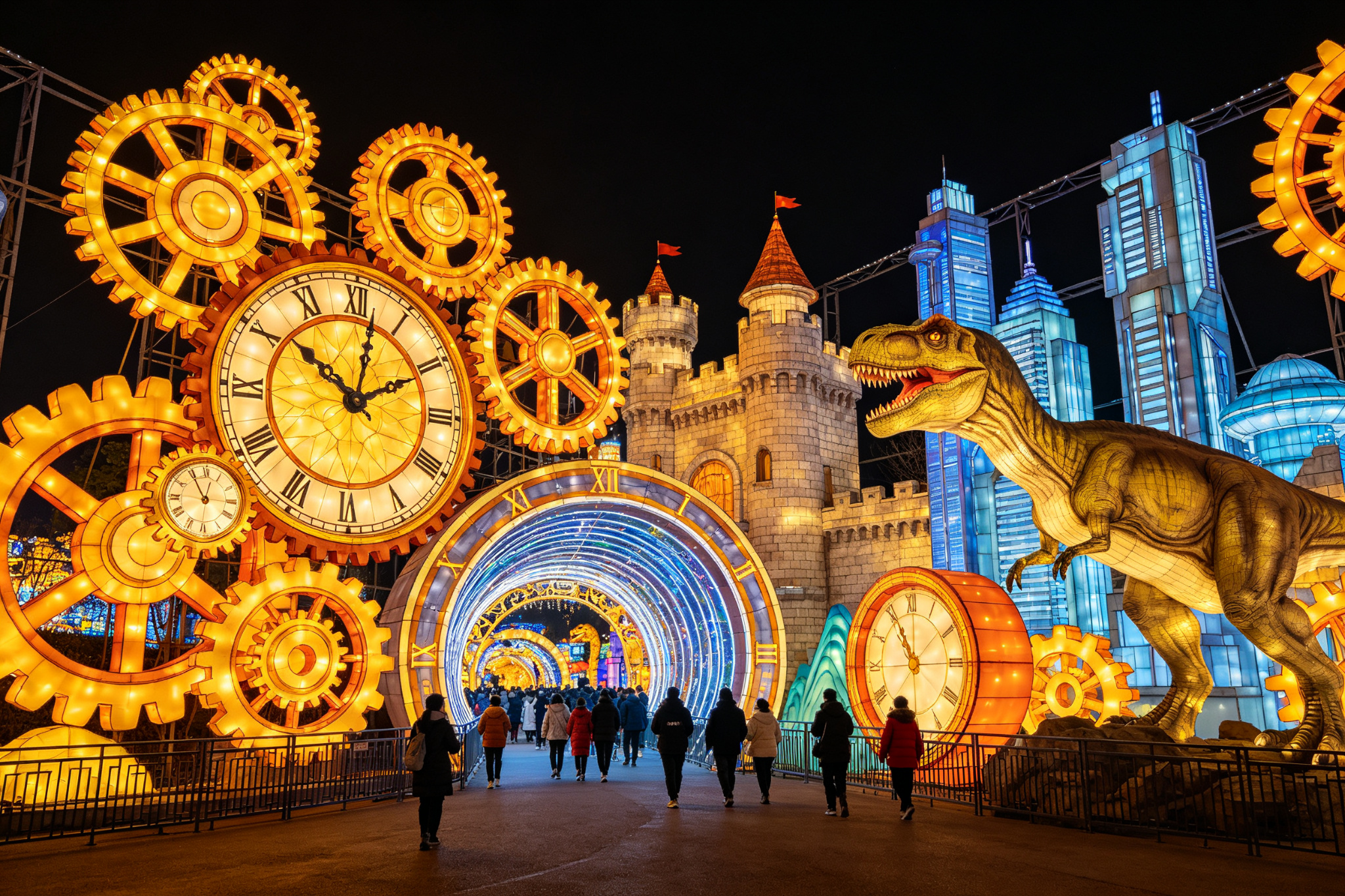
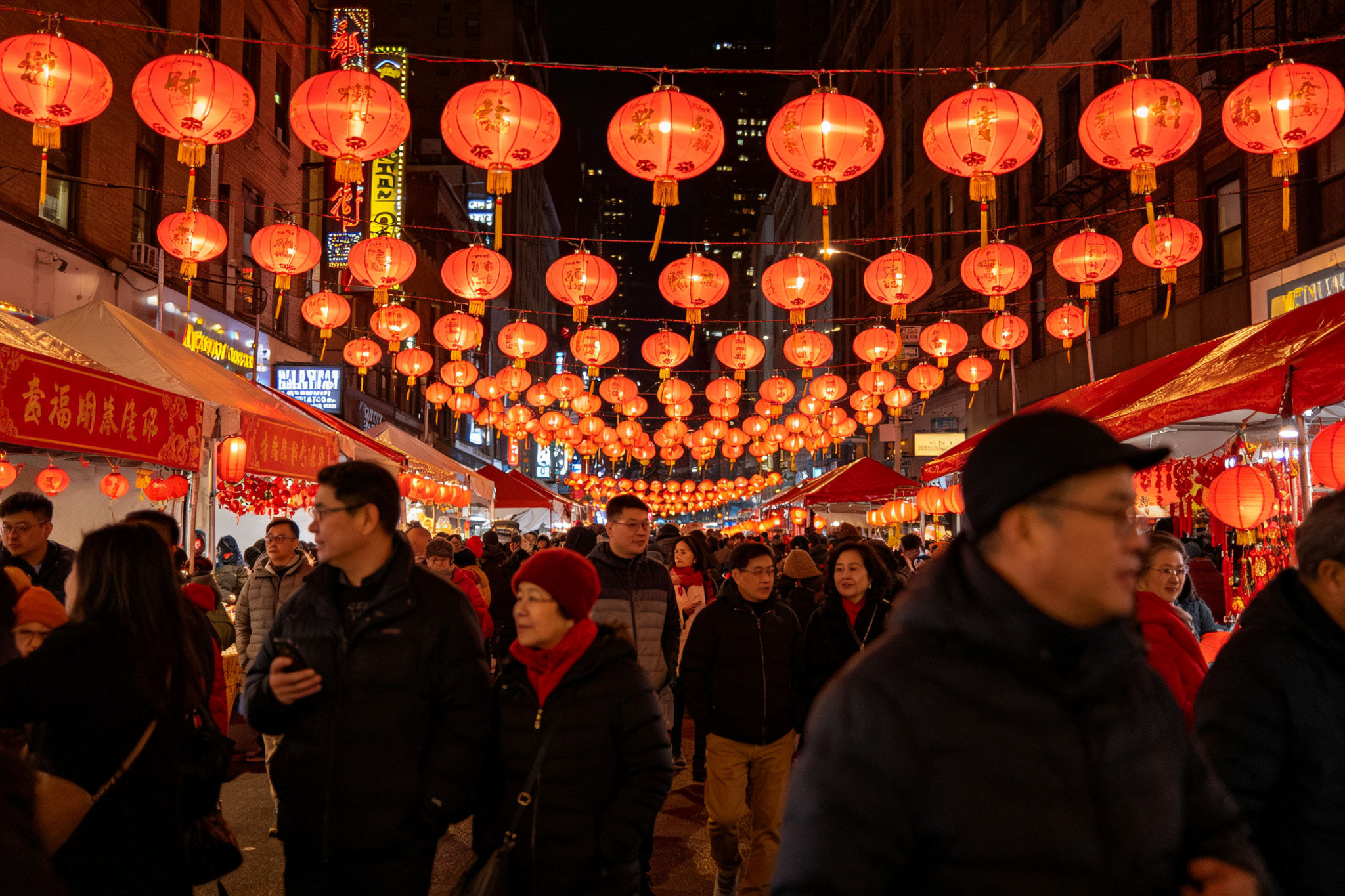
Modern Chinese Lantern Festival blends tradition with innovation. Cities host professional lantern festivals with LED technology, interactive displays, and international themes. The holiday remains a public celebration — parks and streets are filled with families, couples, and friends enjoying the lights. It's also increasingly popular abroad, with Chinatowns worldwide hosting lantern festivals and cultural events.

Symbolism and Meaning

The Chinese Lantern Festival carries deep symbolism: lanterns represent brightness and hope for the new year, the full moon symbolizes completeness and reunion, tangyuan's round shape represents family unity, and the public celebration marks the transition from the introspective New Year period back to normal work and social life. It's a night of joy, letting go of the past, and welcoming prosperity.

Celebrate With Us

At Zigong Sun Culture, we create lanterns that carry forward this 2,000-year tradition. Whether you're hosting a Chinese New Year event, a cultural festival, or simply want to bring the magic of the Chinese Lantern Festival to your community, our artisans can create authentic, beautiful displays. Contact us to discuss your Chinese Lantern Festival project.
Explore our related services: Chinese Lantern Show and World Festive Lanterns. Contact us for a free custom quote.

Have Questions About Chinese Lantern Festival?

Our team of lantern festival experts is ready to help. Contact us for a free consultation tailored to your project.

Email Us Now Call +86 13309004354

Planning Your Own Chinese Lantern Festival Event: A Practical Guide

Organizing a Chinese lantern festival requires careful planning across multiple dimensions. The first consideration is venue selection — ideal venues include public parks, botanical gardens, fairgrounds, zoos, and cultural centers with adequate space, electrical capacity, parking, and pedestrian flow. The venue should accommodate 30-50 lantern displays spread across a walking route of 1-2 kilometers, with food vendors, rest areas, and restrooms positioned strategically along the path. Venue rental costs vary widely, from municipal parks that may offer discounted rates for cultural events to premium private venues charging $20,000-$100,000 for the event period.

Permitting and regulatory compliance should be initiated early in the planning process. Requirements typically include: temporary structure permits, electrical permits and inspections, fire marshal approval, food service permits for vendors, noise permits (if using amplified sound), and event insurance with minimum coverage of $1-2 million. Some municipalities also require cultural sensitivity reviews or community engagement meetings, particularly for events featuring cultural traditions from another country. We provide all necessary technical documentation — structural calculations, electrical schematics, safety data sheets — to streamline the permit application process.

Marketing and promotion are critical for achieving attendance targets. A successful marketing strategy typically begins 3-4 months before opening and includes: a dedicated event website with online ticket sales, social media campaigns across Instagram, Facebook, and TikTok (lantern festivals are highly visual and perform exceptionally well on these platforms), public relations outreach to local media, partnerships with tourism boards and cultural organizations, and early-bird ticket pricing to drive advance sales. Many successful festivals report that 40-60% of tickets are sold in advance, with the remainder purchased at the gate. Influencer partnerships and press preview nights can generate significant buzz in the final weeks before opening.

Expert Q&A

Q: What is the best time of year to host a Chinese lantern festival?

A: The most popular periods are the winter holiday season (November through early January), spring break, and summer vacation. Winter evenings are longer and darker, making lantern displays more impactful, while summer offers better weather for outdoor events. Many successful festivals run for 4-8 weeks to maximize attendance and ROI.

Q: Are traditional Chinese lantern themes appropriate for international audiences?

A: Traditional themes like dragons, lotus flowers, and fish are universally appreciated for their artistry and craftsmanship. The most successful international festivals blend traditional Chinese themes with locally relevant content, creating a cultural bridge rather than a purely imported experience. Our design team researches each market to propose appropriate themes.

Q: How much does a typical Chinese lantern festival cost?

A: A complete festival with 30-50 lanterns typically ranges from $150,000 to $800,000 including design, manufacturing, shipping, and installation. Smaller pop-up events with 10-15 pieces can be produced for $50,000-$150,000. We provide detailed itemized quotations after understanding your specific venue, theme, and budget parameters.