
Chinese Festive Lanterns: DIY vs. Professional Manufacturing

Zhang Yu
Zhang Yu
Lead Production Engineer
12+ years in lantern manufacturing and structural engineering. CE/ISO certified, oversees quality control and factory operations at Zigong facility.
Chinese Festive Lanterns: DIY vs. Professional Manufacturing

Choosing the Right Approach

When planning an event featuring Chinese festive lanterns, organizers face a choice: source mass-produced lanterns, attempt DIY construction, or commission professional custom lanterns. This article compares the options to help you decide.

Mass-Produced Lanterns

Inexpensive lanterns from wholesale suppliers work for small, short-term decorations. However, they lack durability (most last one season), have uniform designs with no customization, and often fail safety standards for large public events. Colors may fade quickly, and replacement parts are unavailable.

DIY Lantern Construction

Community groups and schools sometimes build lanterns for local events. This can be a meaningful cultural activity, but the results are limited by available skills, tools, and materials. DIY lanterns are rarely weatherproof, may not meet electrical safety codes, and require enormous volunteer hours. For events expecting thousands of visitors, DIY lanterns pose liability risks.

Professional Custom Lanterns

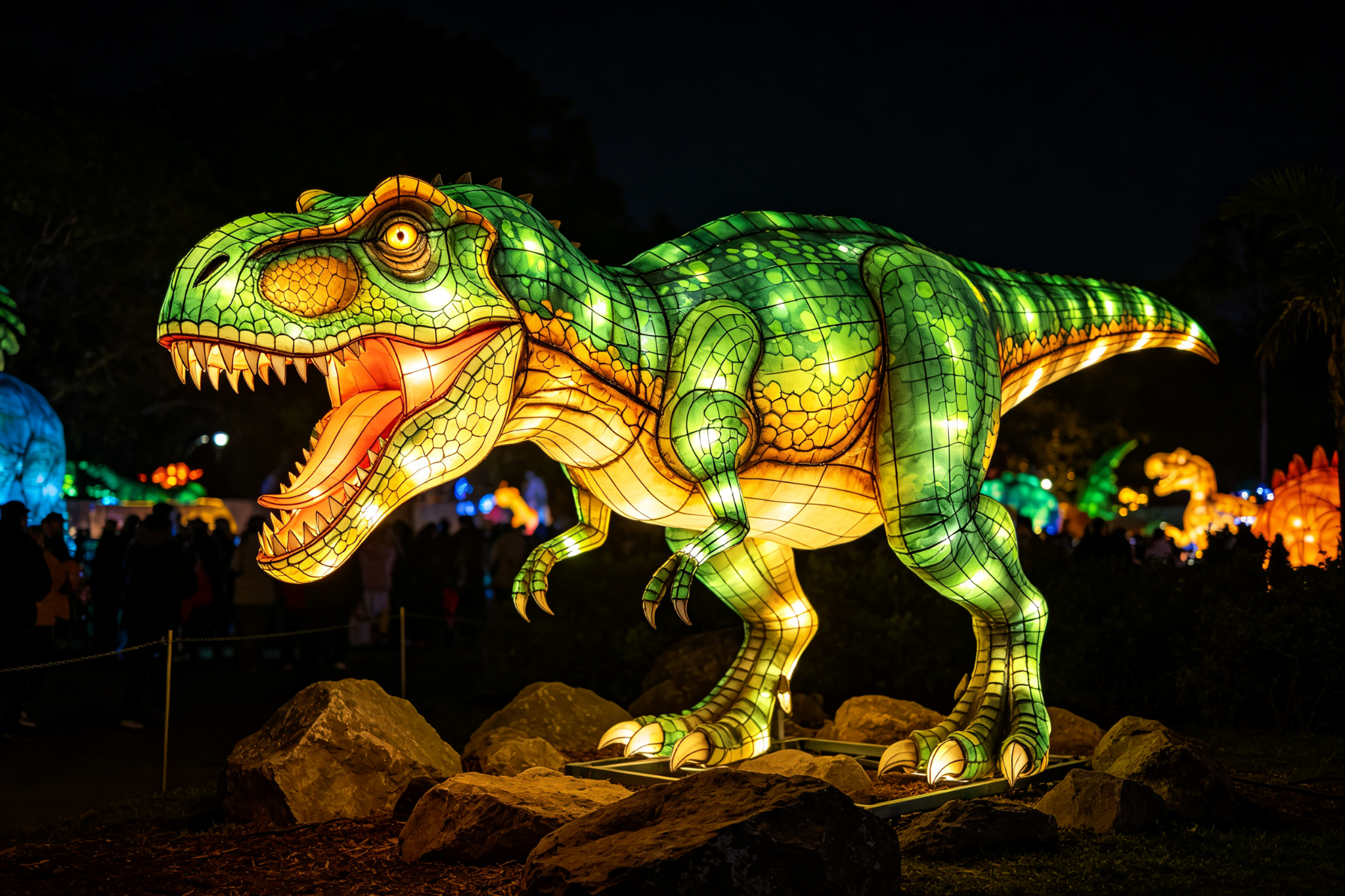
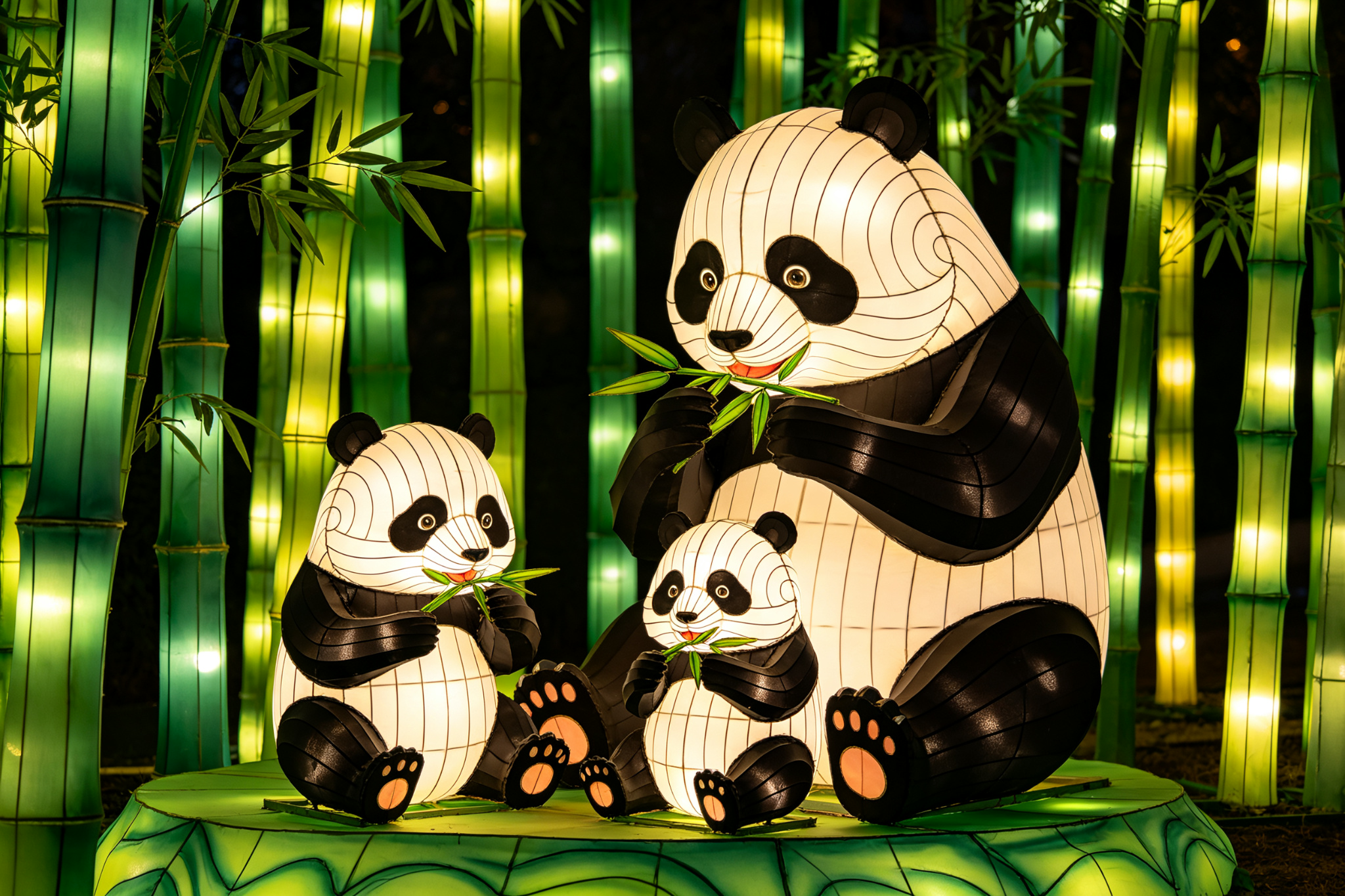
Professional lanterns from Zigong Sun Culture offer:

Cost Comparison

While professional lanterns have higher upfront costs, they offer better value over time. A $50,000 professional lantern set can be used for 5+ annual events, amortizing to $10,000/year. Mass-produced lanterns costing $15,000 must be repurchased annually, totaling $75,000 over 5 years — and the professional set looks dramatically better.

Our Recommendation

For community events under 5,000 visitors: mass-produced or DIY may suffice. For ticketed events, city festivals, or permanent installations: invest in professional custom lanterns. The visual impact, safety, and longevity justify the cost.

Contact Zigong Sun Culture for a custom lantern proposal within your budget.
Explore our related services: Chinese Lantern Show and World Festive Lanterns. Contact us for a free custom quote.

Have Questions About Chinese Festive Lanterns?

Our team of lantern festival experts is ready to help. Contact us for a free consultation tailored to your project.

Email Us Now Call +86 13309004354

Planning Your Own Chinese Lantern Festival Event: A Practical Guide

Organizing a Chinese lantern festival requires careful planning across multiple dimensions. The first consideration is venue selection — ideal venues include public parks, botanical gardens, fairgrounds, zoos, and cultural centers with adequate space, electrical capacity, parking, and pedestrian flow. The venue should accommodate 30-50 lantern displays spread across a walking route of 1-2 kilometers, with food vendors, rest areas, and restrooms positioned strategically along the path. Venue rental costs vary widely, from municipal parks that may offer discounted rates for cultural events to premium private venues charging $20,000-$100,000 for the event period.

Permitting and regulatory compliance should be initiated early in the planning process. Requirements typically include: temporary structure permits, electrical permits and inspections, fire marshal approval, food service permits for vendors, noise permits (if using amplified sound), and event insurance with minimum coverage of $1-2 million. Some municipalities also require cultural sensitivity reviews or community engagement meetings, particularly for events featuring cultural traditions from another country. We provide all necessary technical documentation — structural calculations, electrical schematics, safety data sheets — to streamline the permit application process.

Marketing and promotion are critical for achieving attendance targets. A successful marketing strategy typically begins 3-4 months before opening and includes: a dedicated event website with online ticket sales, social media campaigns across Instagram, Facebook, and TikTok (lantern festivals are highly visual and perform exceptionally well on these platforms), public relations outreach to local media, partnerships with tourism boards and cultural organizations, and early-bird ticket pricing to drive advance sales. Many successful festivals report that 40-60% of tickets are sold in advance, with the remainder purchased at the gate. Influencer partnerships and press preview nights can generate significant buzz in the final weeks before opening.

The Cultural Significance and Global Appeal of Chinese Lantern Festivals

Chinese lantern festivals trace their origins back over 2,000 years to the Han Dynasty, where lanterns were initially used in Buddhist temples as symbols of enlightenment and prosperity. The tradition evolved into the Lantern Festival (Yuanxiao Jie), celebrated on the 15th day of the first lunar month, marking the end of Chinese New Year celebrations. Traditional lantern themes include dragons, phoenixes, flowers, fish, and mythological figures, each carrying specific symbolic meanings — dragons represent power and good fortune, fish symbolize abundance, and peonies signify wealth and beauty.

In recent decades, Chinese lantern festivals have expanded far beyond their cultural origins to become global entertainment phenomena. Cities across North America, Europe, and Asia-Pacific now host annual lantern festivals that draw hundreds of thousands of visitors. The appeal lies in the unique combination of artistic craftsmanship, family-friendly entertainment, and Instagram-worthy visual experiences. Data from major international lantern festivals shows average attendance growth of 15-25% year-over-year, with many events selling out advance tickets and generating significant economic impact for host cities through hotel bookings, restaurant visits, and retail spending.

Modern Chinese lantern festivals blend traditional craftsmanship with contemporary technology. Programmable LED lighting allows for dynamic color changes and synchronized shows, while interactive elements such as motion-sensor lanterns, projection mapping, and AR-enhanced experiences appeal to younger audiences. Despite these innovations, the core craft remains unchanged — every lantern is still hand-built by skilled artisans using techniques passed down through generations. This authentic craftsmanship is what distinguishes a professional Chinese lantern festival production from mass-produced decorative lighting, and it is the primary reason these events continue to captivate audiences worldwide.

Expert Q&A

Q: What is the best time of year to host a Chinese lantern festival?

A: The most popular periods are the winter holiday season (November through early January), spring break, and summer vacation. Winter evenings are longer and darker, making lantern displays more impactful, while summer offers better weather for outdoor events. Many successful festivals run for 4-8 weeks to maximize attendance and ROI.

Q: Are traditional Chinese lantern themes appropriate for international audiences?

A: Traditional themes like dragons, lotus flowers, and fish are universally appreciated for their artistry and craftsmanship. The most successful international festivals blend traditional Chinese themes with locally relevant content, creating a cultural bridge rather than a purely imported experience. Our design team researches each market to propose appropriate themes.

Q: How much does a typical Chinese lantern festival cost?

A: A complete festival with 30-50 lanterns typically ranges from $150,000 to $800,000 including design, manufacturing, shipping, and installation. Smaller pop-up events with 10-15 pieces can be produced for $50,000-$150,000. We provide detailed itemized quotations after understanding your specific venue, theme, and budget parameters.